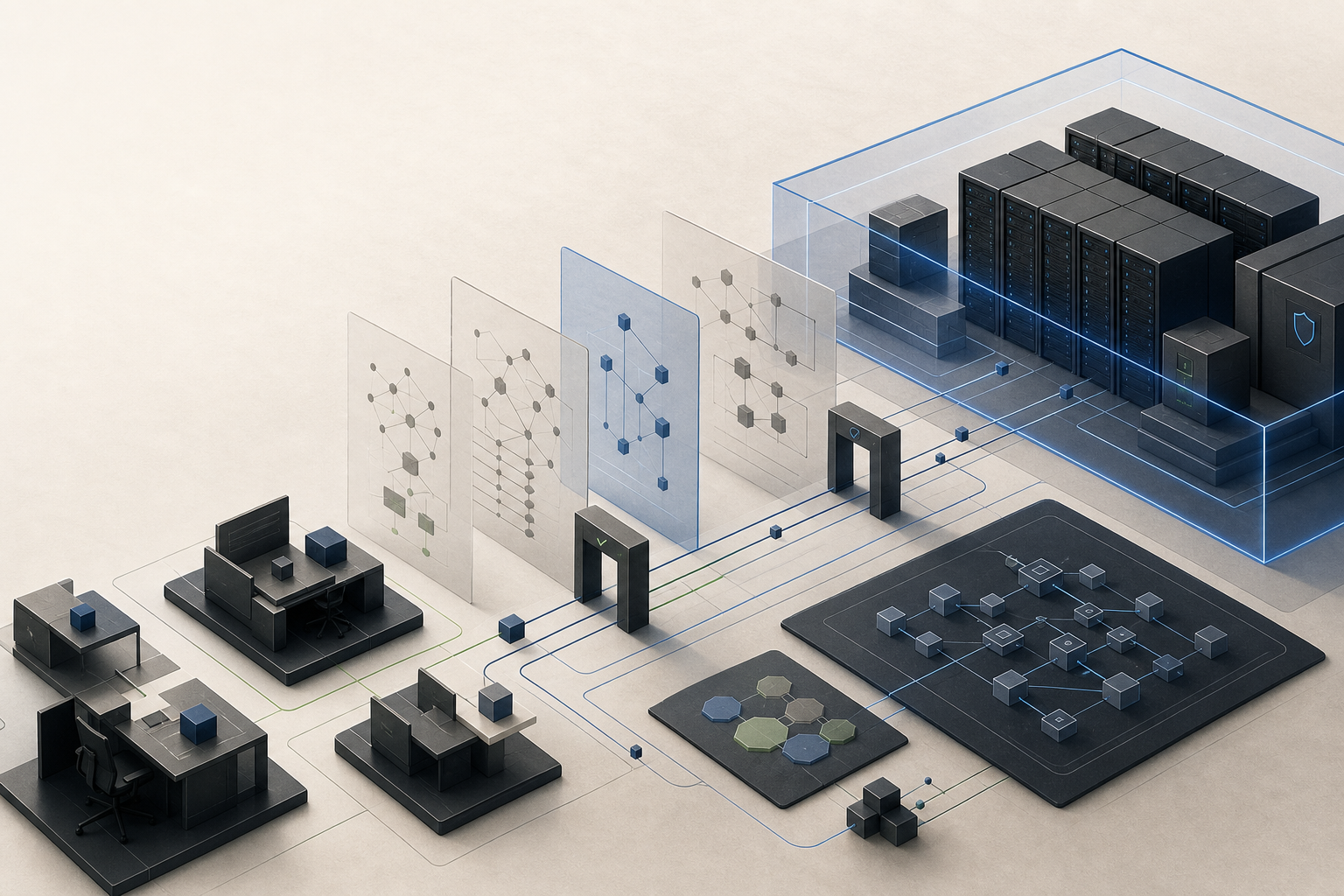
On-prem AI coding does not solve the architecture question
Hybrid and on-prem AI coding agents may unlock adoption in regulated companies. They still need architecture, boundaries, review and operational design.
K
Kyluke McDougall Hybrid and on-prem AI coding agents may unlock adoption in regulated companies. They still need architecture, boundaries, review and operational design.

MCP makes AI coding agents more useful by connecting them to tools, data and workflows. It also means teams need production-style security boundaries around those connections.

AI coding agents can accelerate schema work, migrations and backend changes. They should not be allowed near production data without clear operating rules.

AI coding agents become strategically interesting when they touch CI, pull requests, reviews and deployments. That is exactly when teams need clear operating rules.

Pwn2Own Berlin is testing Codex, Claude Code and Cursor. For teams adopting coding agents, the lesson is clear: treat the agent runtime as privileged software, not just a smarter editor.
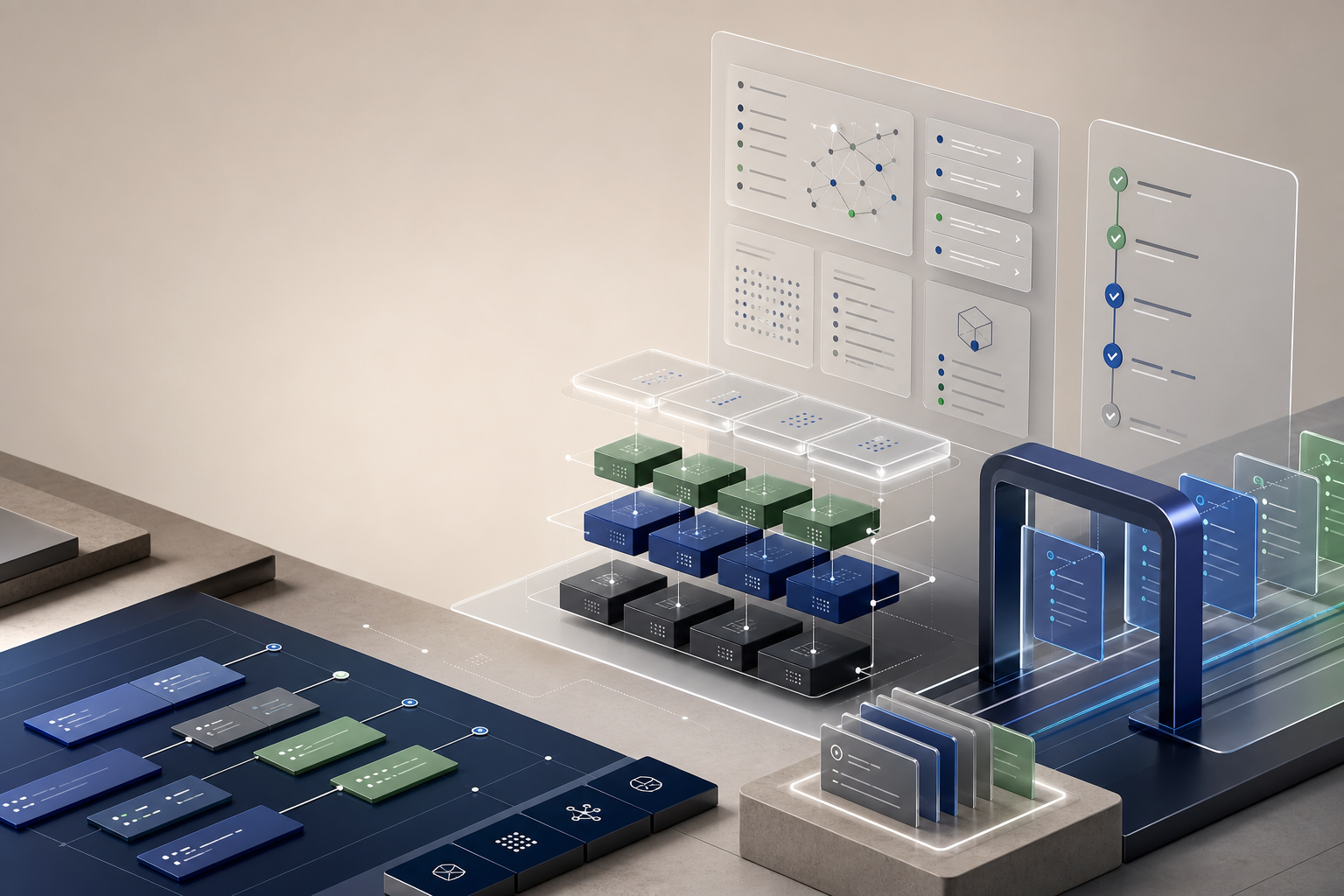
The current AI Act discussion on X is a reminder that companies should not treat AI compliance as a late legal cleanup. It starts with product architecture, data flows and responsibility boundaries.

AI app builders make internal tools and prototypes visible very quickly. The real risk appears when nobody knows which apps exist, which data they touch and who owns them.

AI can help find security bugs faster. The business value comes from harnesses, reproducible tests, triage and release processes around the model.

Persistent AI memory can make assistants more useful, but it also creates a new attack surface. Companies need clear rules for what agents remember, retrieve and trust.