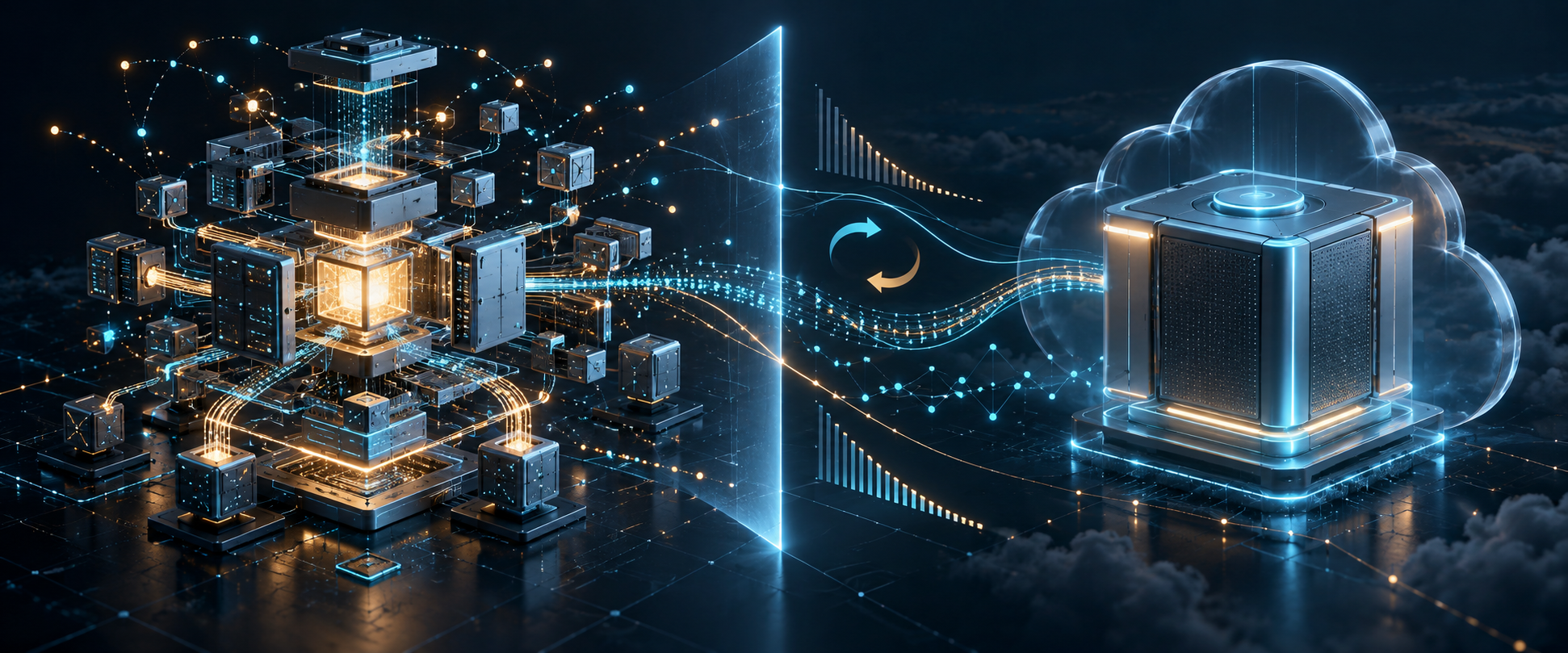
Three AI Providers Went Down at Once. Would Your Product Keep Working?
The September outage cluster exposed a simple production risk: an AI feature needs a tested degraded mode, not just a second model endpoint.
DeepSeek's new Responses API support makes model evaluation easier, but serious teams still need compatibility tests, security boundaries, compliance checks, and a rollback plan.
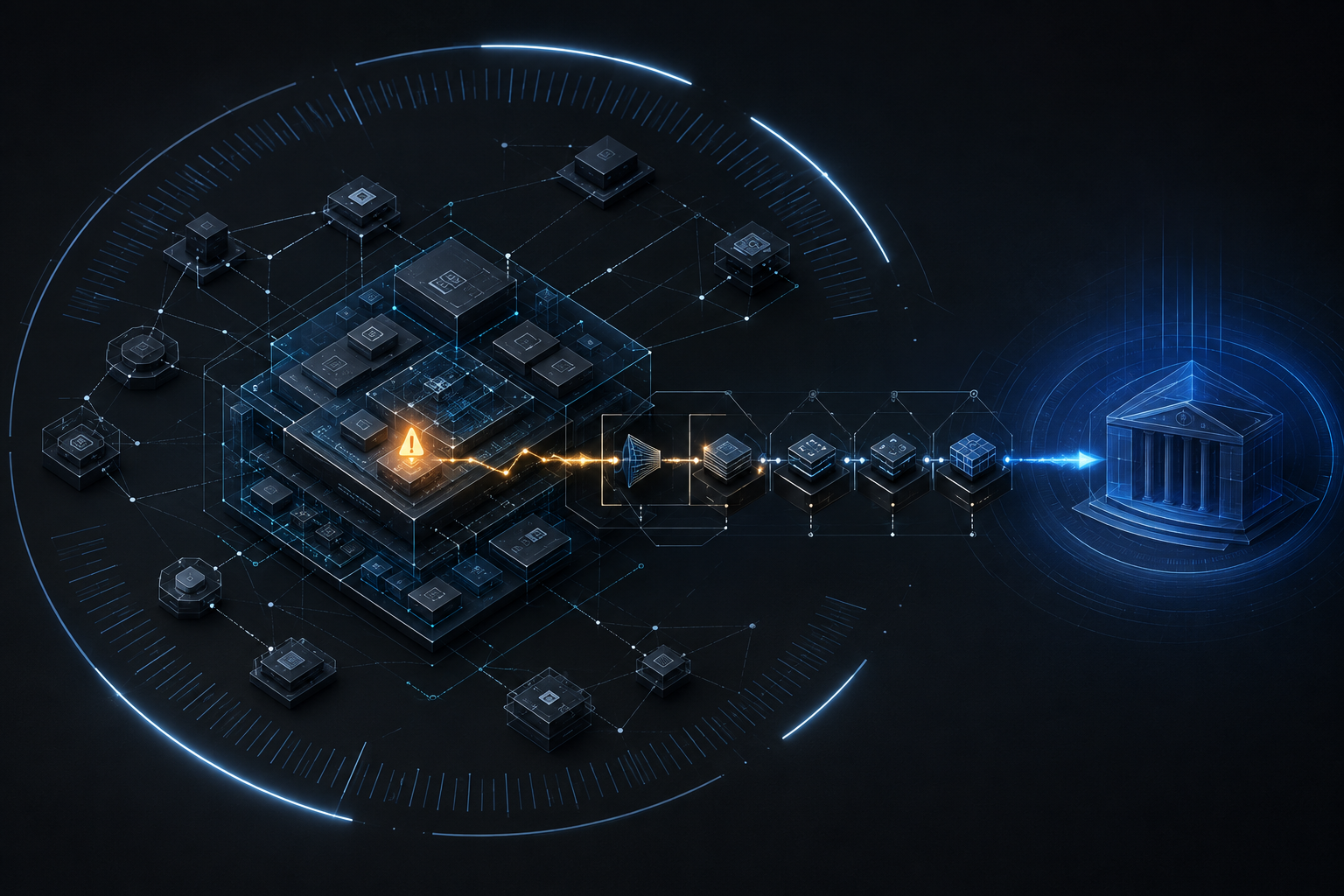
The OpenAI and Hugging Face incident turns agent containment from a theoretical concern into an architecture and operations requirement.
MCP 2026-07-28 removes protocol sessions and makes remote servers easier to scale. Here is what production teams should redesign before upgrading.
Agentic coding tools can now change files, run commands, and influence delivery. Serious teams need production gates for secrets, dependencies, tests, architecture, and auditability.
AI coding agents become useful in production when teams design feedback loops around them: tests, review, security gates, telemetry, rollout control, and clear ownership.
AI coding tools can accelerate delivery, but only if teams measure quality, reviewability, security, test evidence, and traceability instead of trusting plausible output.
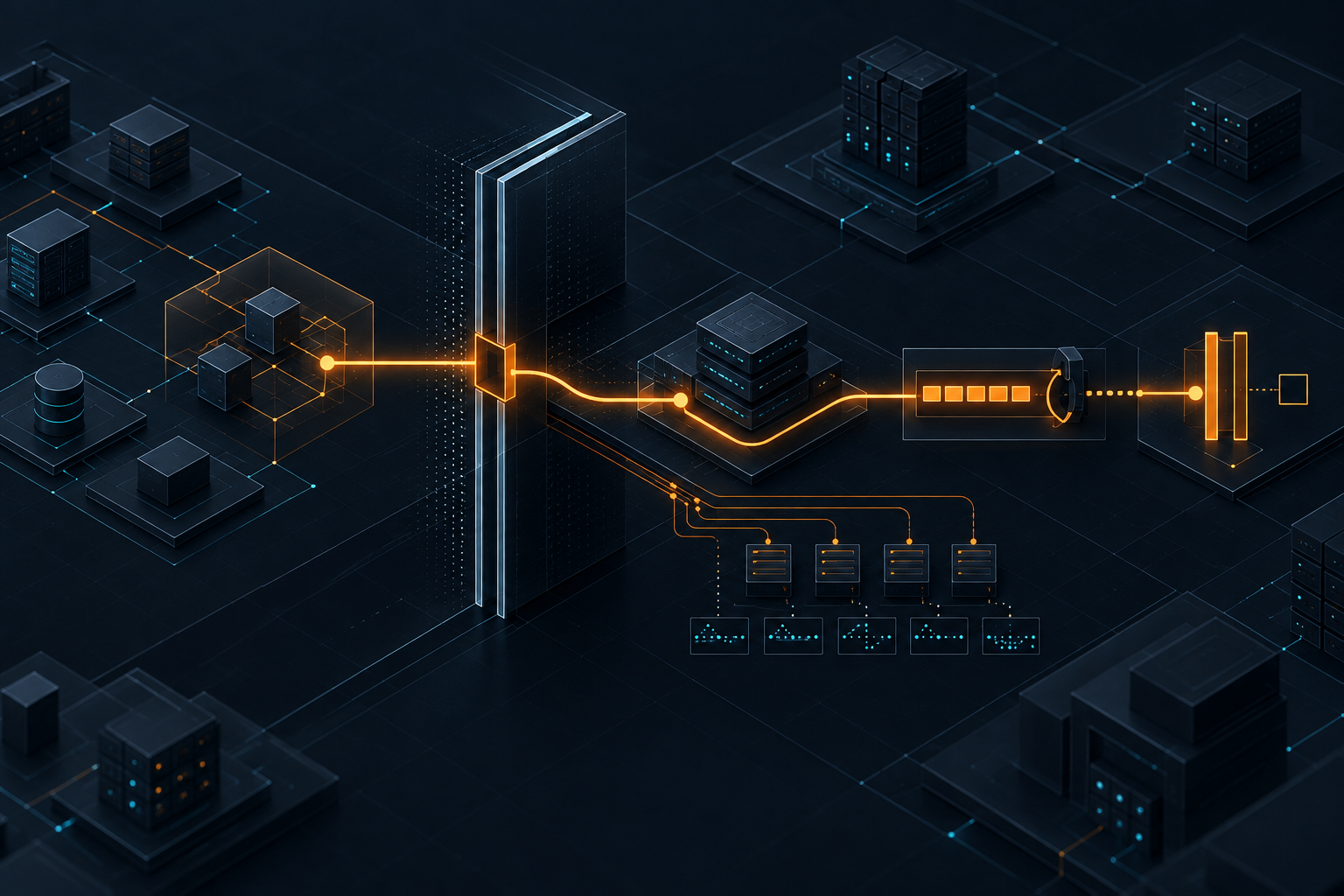
AI coding agents can speed up delivery, but production teams need bounded permissions, short-lived credentials, policy gates, sandboxing and audit logs before giving agents real access.
AI coding agents are becoming part of software delivery. The hard question for product teams is how much autonomy they get, what they can access, and how their work is verified before it reaches production.