AI-built internal tools are becoming shadow IT
AI makes internal tools faster to create. Without ownership, access control, review, and maintenance, those useful tools can quietly become unmanaged production systems.
AI-assisted development becomes safer when architectural decisions, constraints, and review rules live inside the codebase.
AI tools like Lovable, Bolt, v0 and Replit make prototypes faster. For serious products, that increases the need for product judgement rather than reducing it.
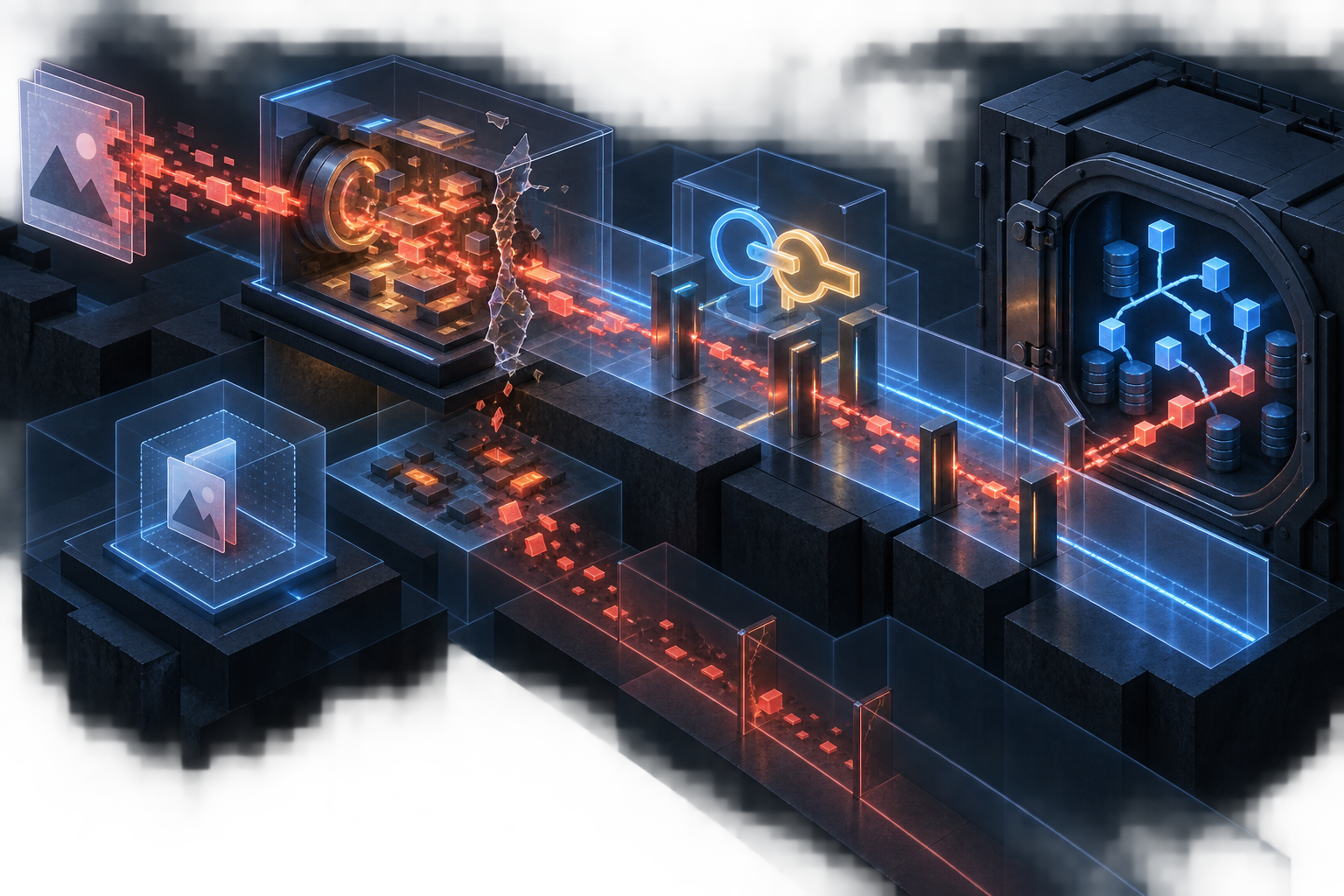
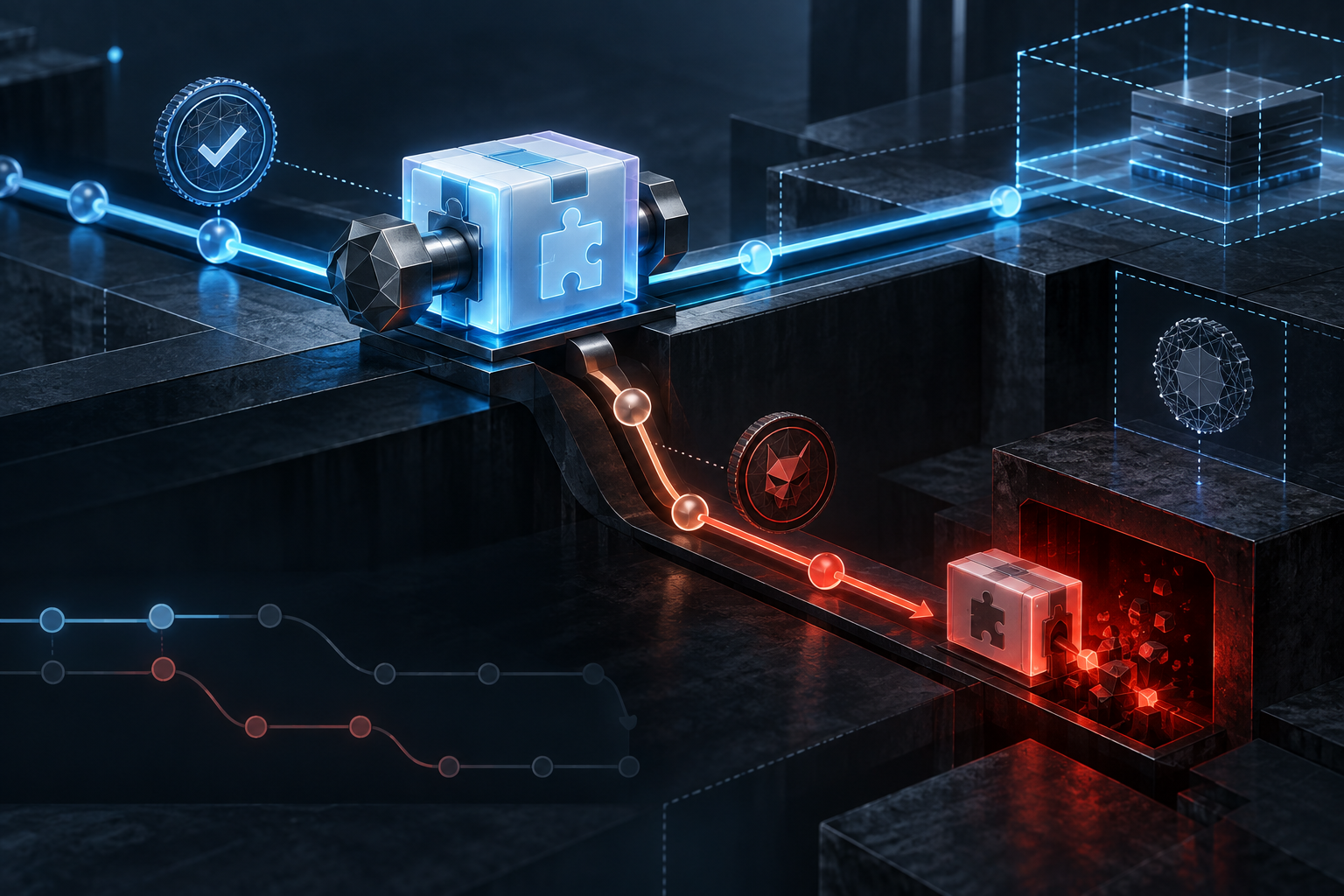
AI coding tools speed up development. They also speed up the moment when compromised dependencies, scripts and credentials become production risk.
The EU AI Act makes visible what strong software teams already need: inventories, boundaries, logs, review paths and clear responsibility for AI agents in real products and internal workflows.
AI coding agents are becoming part of the delivery workflow. The teams that benefit most will not be the ones that trust them blindly, but the ones that put policy, review and operational controls around them.
AI tools can get a prototype running quickly. The serious work starts when customers, data, operations and future changes depend on it.
AI agents can be useful in real business workflows, but only when access, auditability, approval boundaries and accountability are designed before production rollout.
The current spec-driven development discussion is a useful reminder: when AI makes implementation faster, unclear product intent becomes the expensive part.