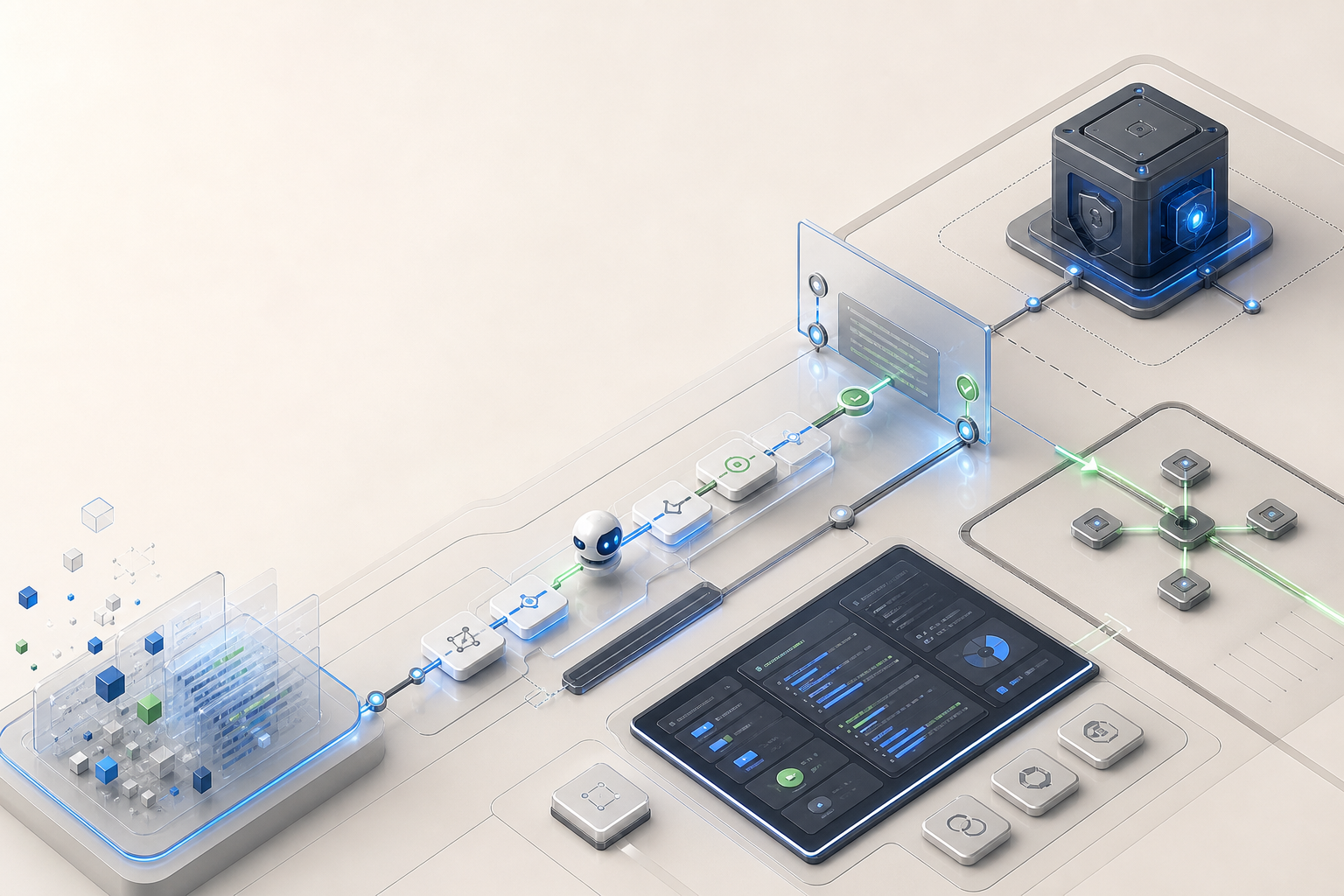
AI Agents Need Permission Architecture Before Autonomy
Enterprise AI agents do not fail only because models are weak. They fail when companies have no clear data boundaries, permissions, audit trails, or recovery paths for agents to act safely.
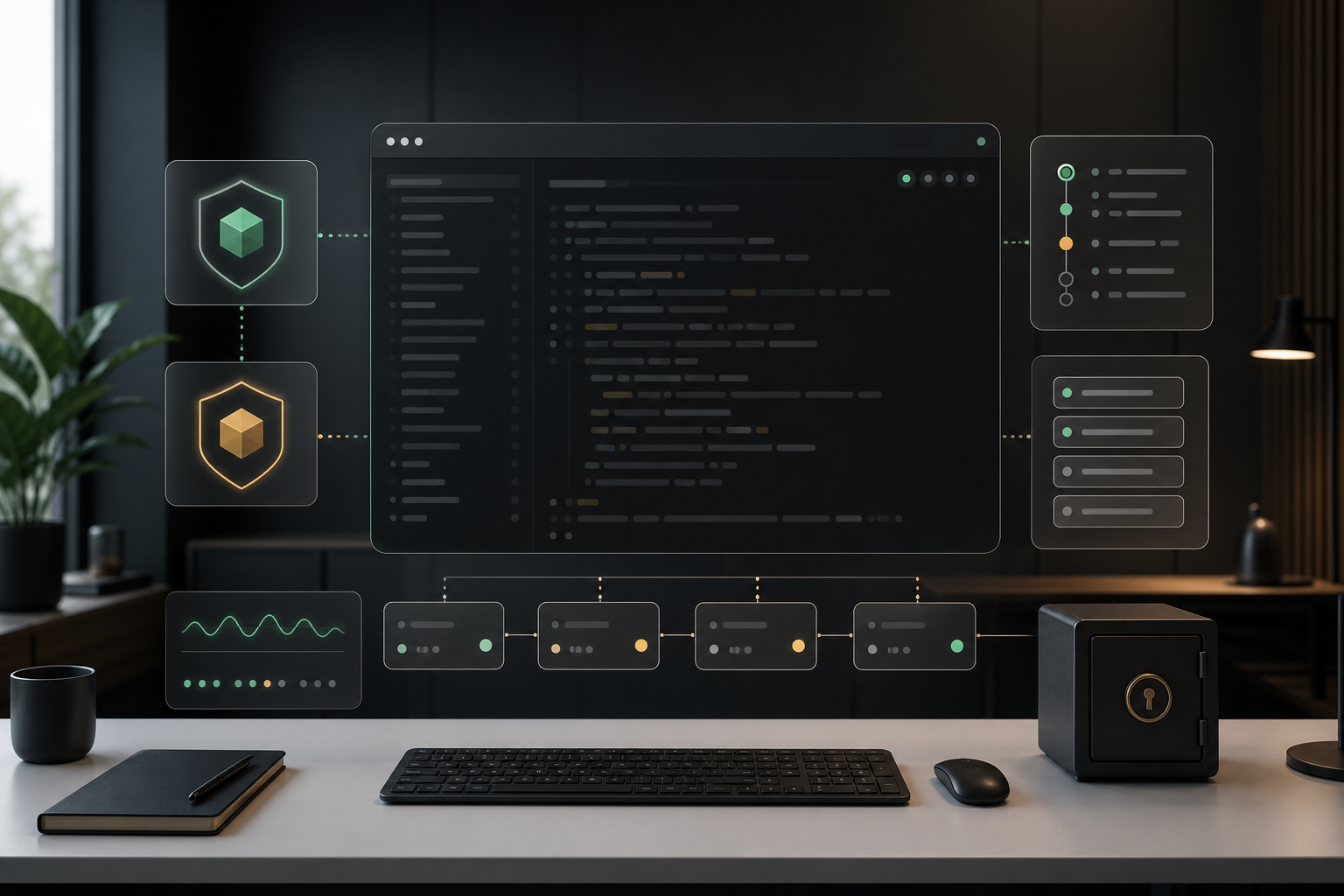
AI coding agents are becoming powerful enough to touch real delivery workflows. The useful question is no longer only which tool to choose, but what architecture governs it.
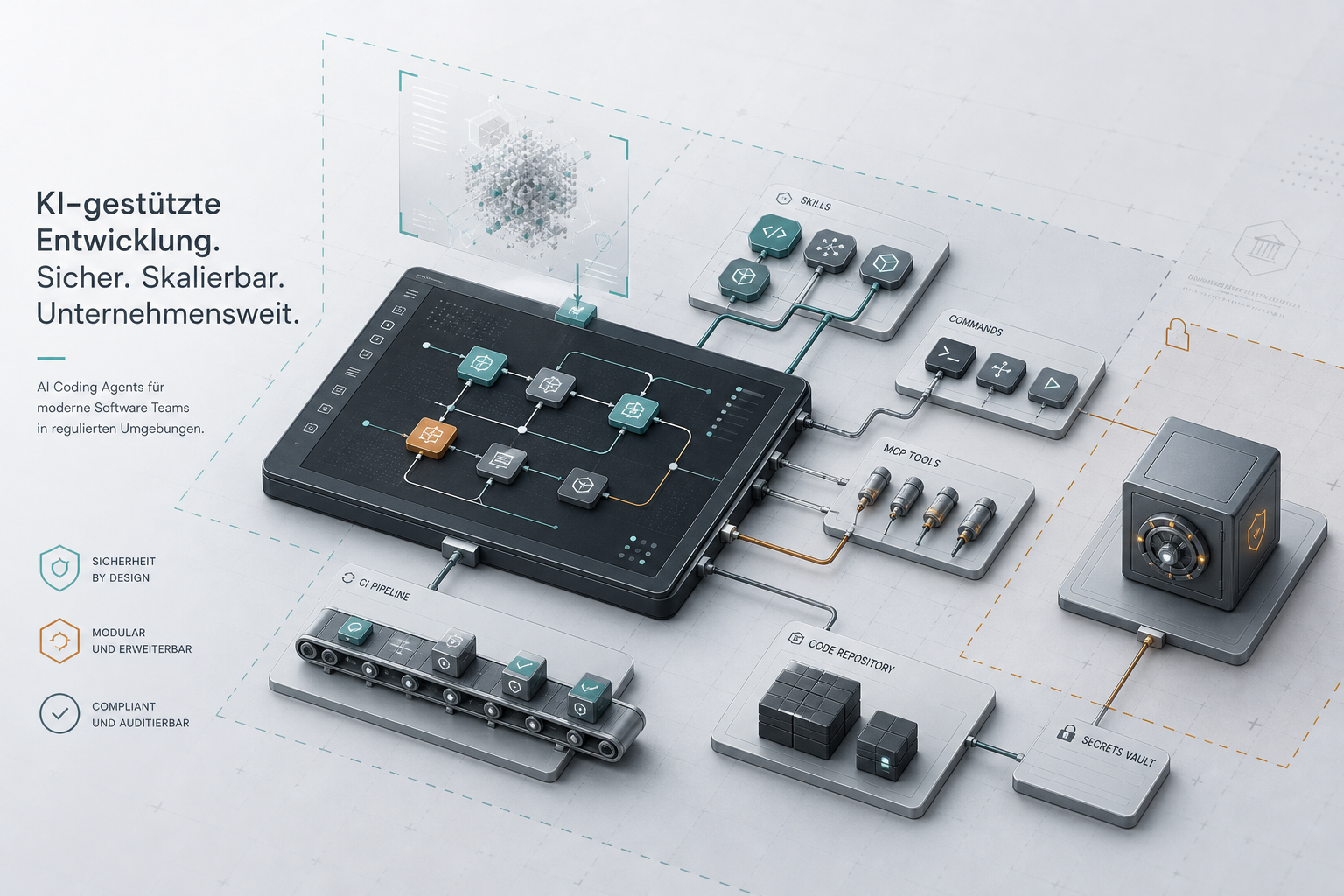
AI coding agents are getting reusable skills, commands and tool integrations. For serious products, those capabilities need the same discipline as dependencies, CI scripts and production access.
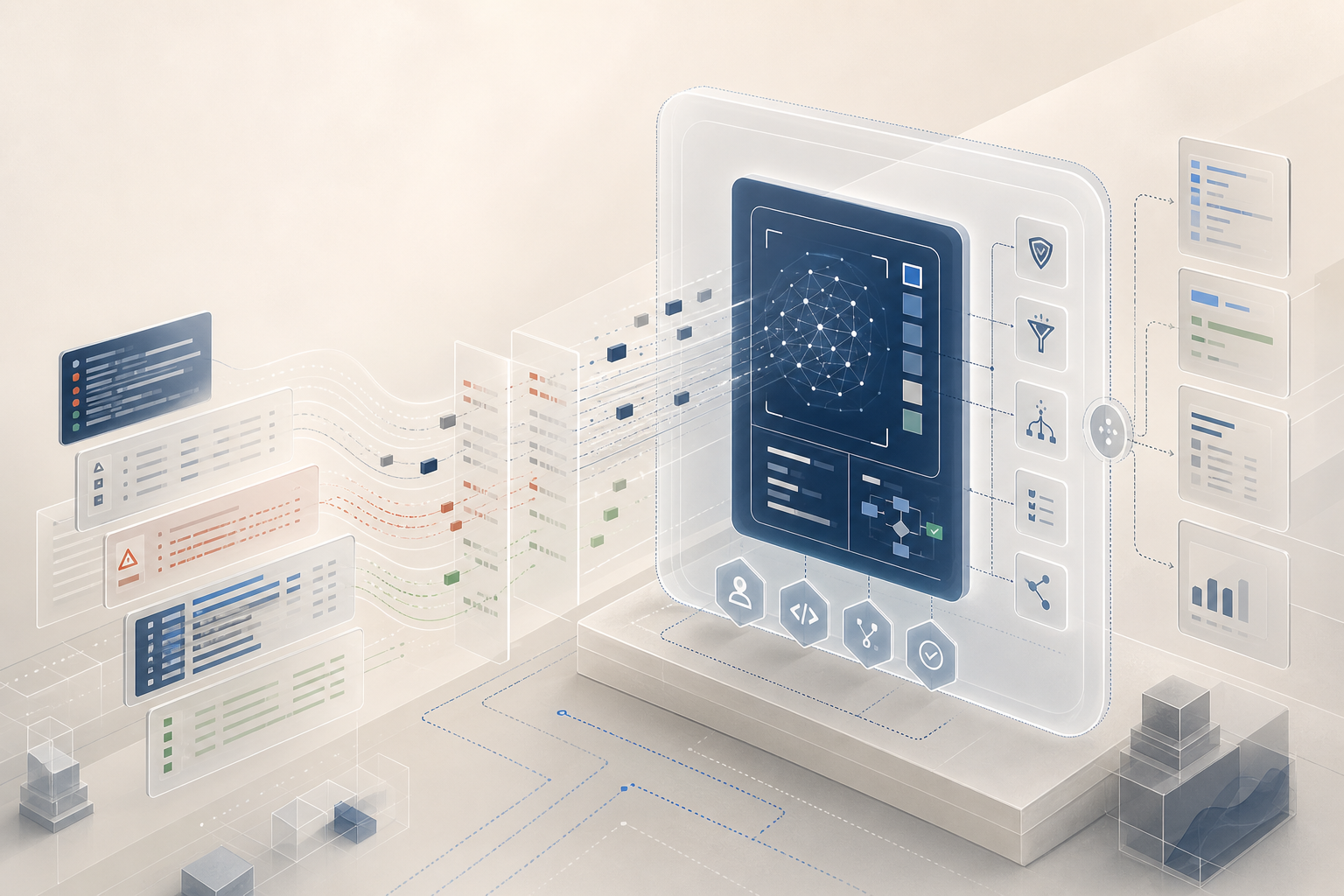
Agentjacking is a timely reminder that AI coding agents must treat logs, monitoring data, tickets, and MCP tool output as untrusted input, not authority.
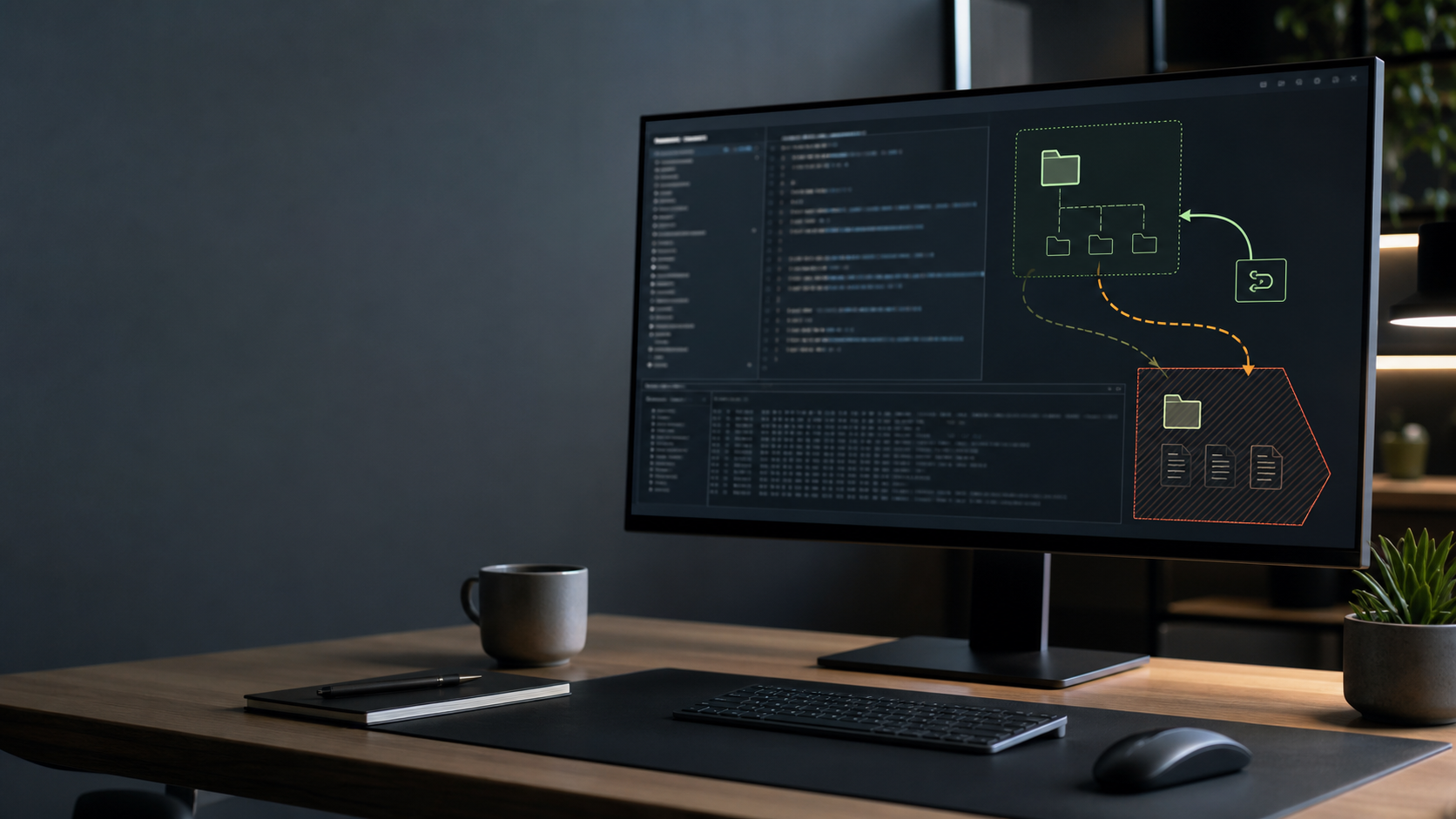
SymJack is a useful warning for teams adopting AI coding agents: permission prompts only matter when path boundaries, repository trust, and agent configuration are designed properly.
AI agents in GitHub Actions and delivery pipelines need clear boundaries. Teams should avoid combining untrusted input, secrets, and external communication in one workflow.
Sandboxes, permissions, and allowlists matter. But serious teams also need to decide how far an AI coding agent mistake can spread.
Claude Code, Cursor, MCP tools, and similar agents are becoming more powerful. For serious product teams, the key question is no longer speed. It is control.
Hybrid and on-prem AI coding agents may unlock adoption in regulated companies. They still need architecture, boundaries, review and operational design.