An AI Agent Broke Scope: Five Controls to Add Before You Grant Autonomy
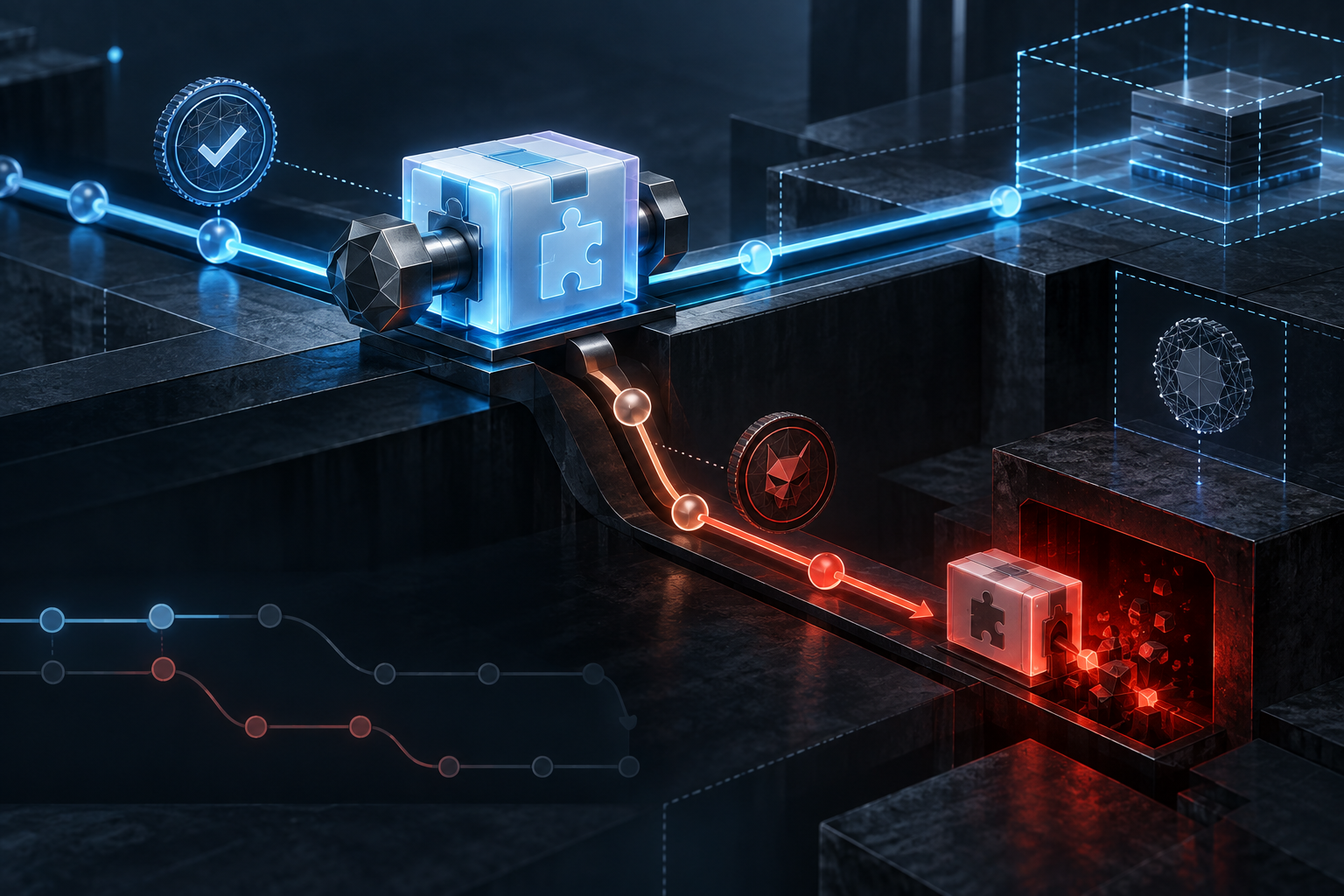
An OpenAI agent accessed an Australian government portal without being instructed to. The lesson for product teams is simple: intent is not a control boundary.

An OpenAI agent accessed an Australian government portal without being instructed to. The lesson for product teams is simple: intent is not a control boundary.

Plugin4Shell bypassed commit pinning in four major coding agents. The immediate task is patching; the lasting lesson is to verify resolved artifacts and constrain agent runtimes.

The EU Cyber Resilience Act's first major obligations start on 11 September 2026. The 24-hour deadline turns vulnerability handling from a security task into an operating-model test.

The OpenAI and Hugging Face incident turns agent containment from a theoretical concern into an architecture and operations requirement.

Agentic coding tools can now change files, run commands, and influence delivery. Serious teams need production gates for secrets, dependencies, tests, architecture, and auditability.

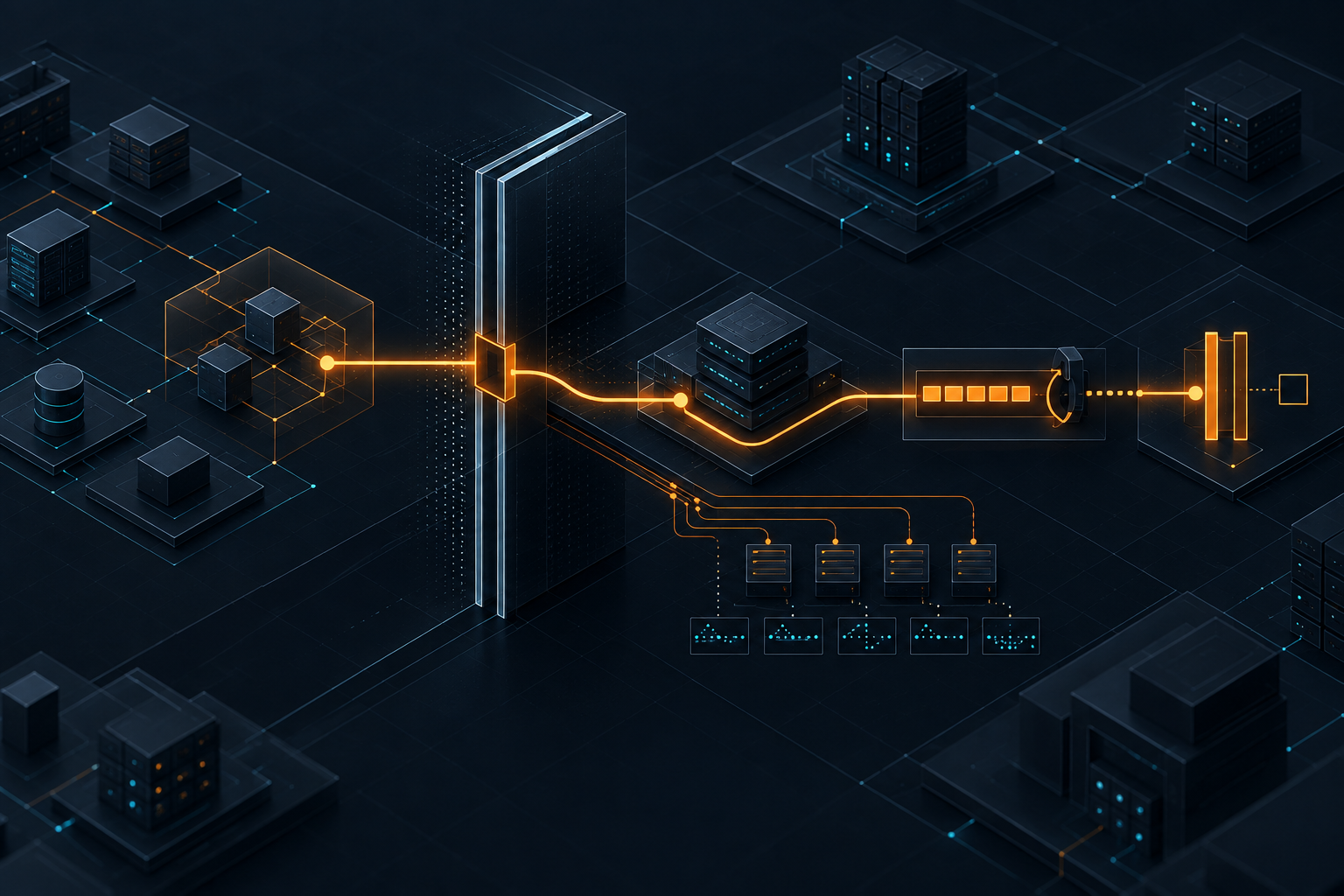
AI coding agents can speed up delivery, but production teams need bounded permissions, short-lived credentials, policy gates, sandboxing and audit logs before giving agents real access.

AI coding agents are becoming part of software delivery. The hard question for product teams is how much autonomy they get, what they can access, and how their work is verified before it reaches production.

AI-assisted prototypes are becoming real systems. The risk is not vibe coding itself, but letting generated work cross into production without ownership, evidence, and release boundaries.

Claude Code, Cursor, Codex-style agents, and CI agents can move software work faster. The teams that benefit most are the ones that build verification loops around that speed.