
AI Coding Sandboxes Are Not Enough. Design the Blast Radius.
Sandboxes, permissions, and allowlists matter. But serious teams also need to decide how far an AI coding agent mistake can spread.
K
Kyluke McDougall Sandboxes, permissions, and allowlists matter. But serious teams also need to decide how far an AI coding agent mistake can spread.

Coding agents can create more implementation throughput. The serious question for product teams is whether planning, review, integration, and architecture can keep up.

Claude Code, Cursor, MCP tools, and similar agents are becoming more powerful. For serious product teams, the key question is no longer speed. It is control.
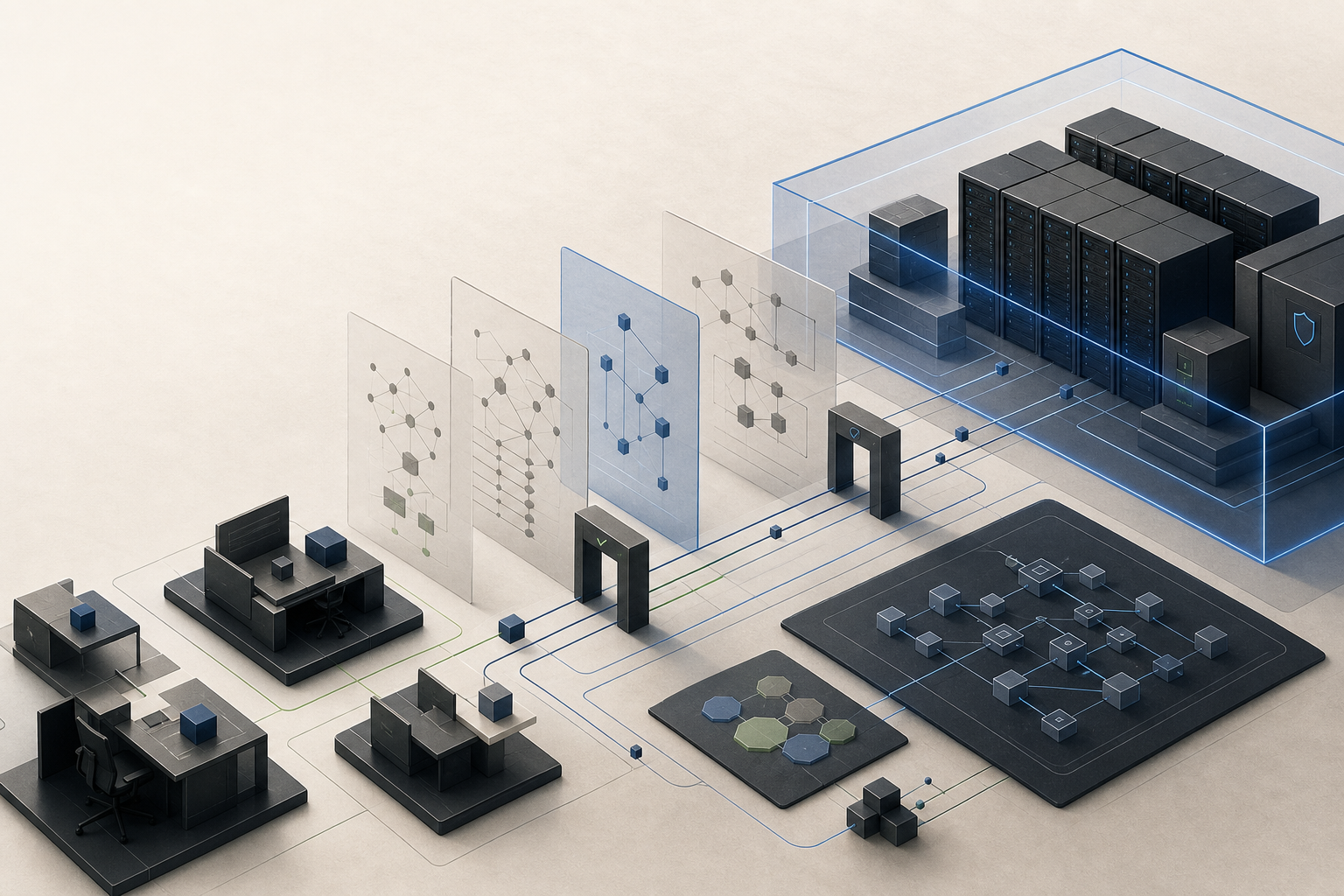
Hybrid and on-prem AI coding agents may unlock adoption in regulated companies. They still need architecture, boundaries, review and operational design.
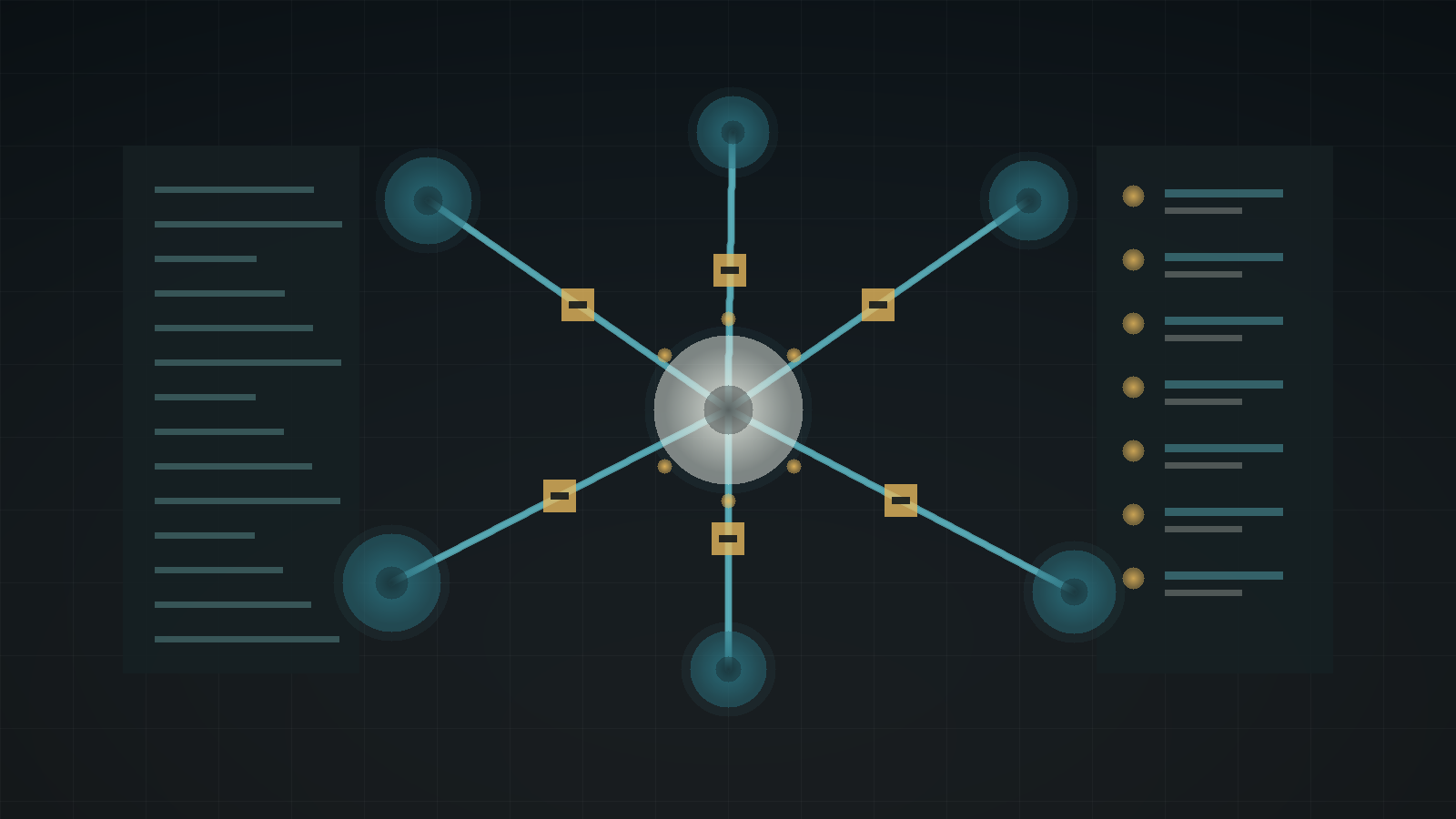
MCP makes AI coding agents more useful by connecting them to tools, data and workflows. It also means teams need production-style security boundaries around those connections.

The EU AI Act makes visible what strong software teams already need: inventories, boundaries, logs, review paths and clear responsibility for AI agents in real products and internal workflows.

AI coding agents are becoming part of the delivery workflow. The teams that benefit most will not be the ones that trust them blindly, but the ones that put policy, review and operational controls around them.
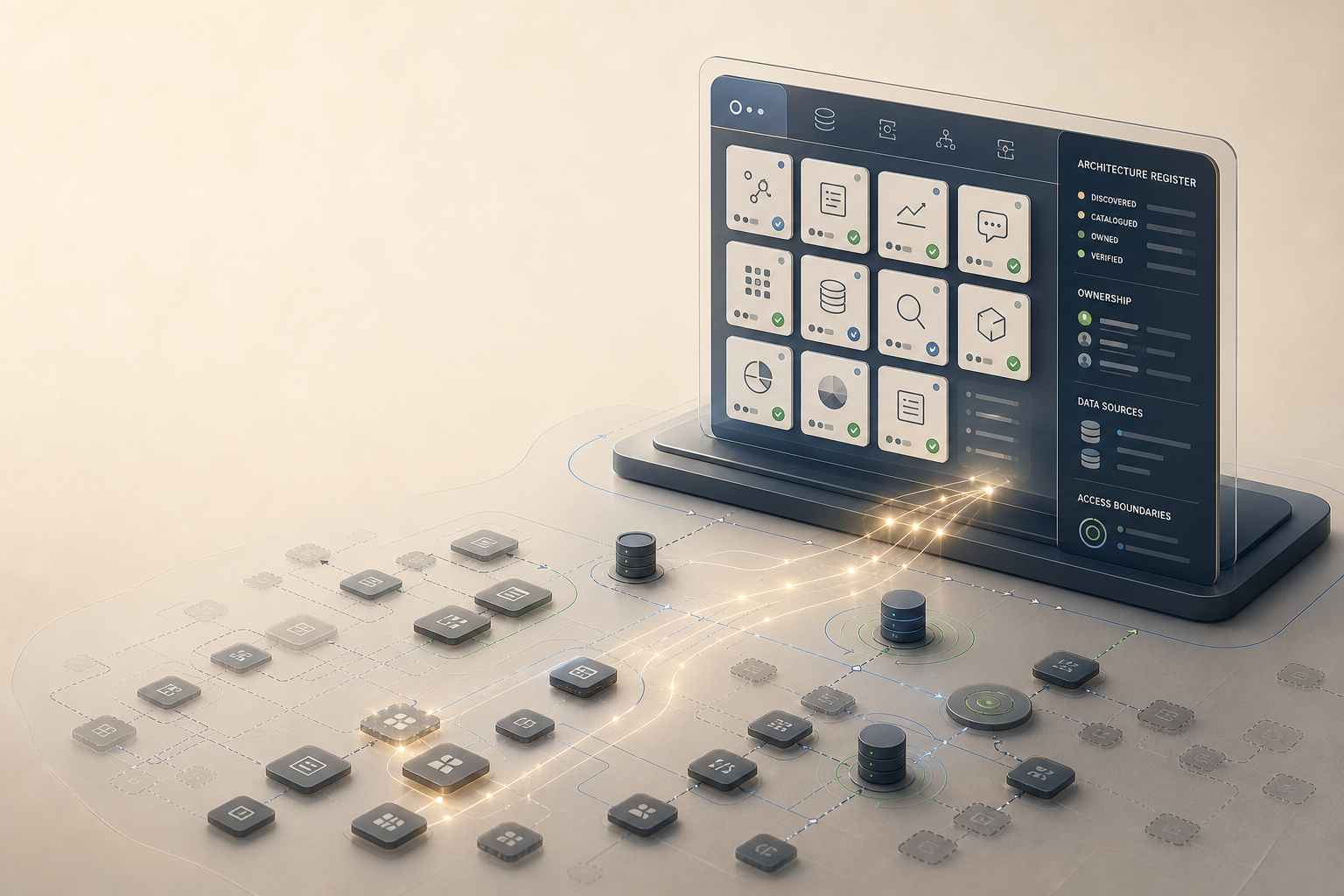
AI app builders make internal tools and prototypes visible very quickly. The real risk appears when nobody knows which apps exist, which data they touch and who owns them.

Claude Code limit increases and production-agent adoption are a useful signal. The next bottleneck for serious teams is not generation speed, but product judgement, architecture, review and operations.