
AI Agent Engineering decides whether AI coding is production-ready
Coding agents accelerate implementation. Production readiness still comes from context, architecture, guardrails, tests, and clear ownership.
K
Kyluke McDougallCoding agents accelerate implementation. Production readiness still comes from context, architecture, guardrails, tests, and clear ownership.

Enterprise AI agents do not fail only because models are weak. They fail when companies have no clear data boundaries, permissions, audit trails, or recovery paths for agents to act safely.
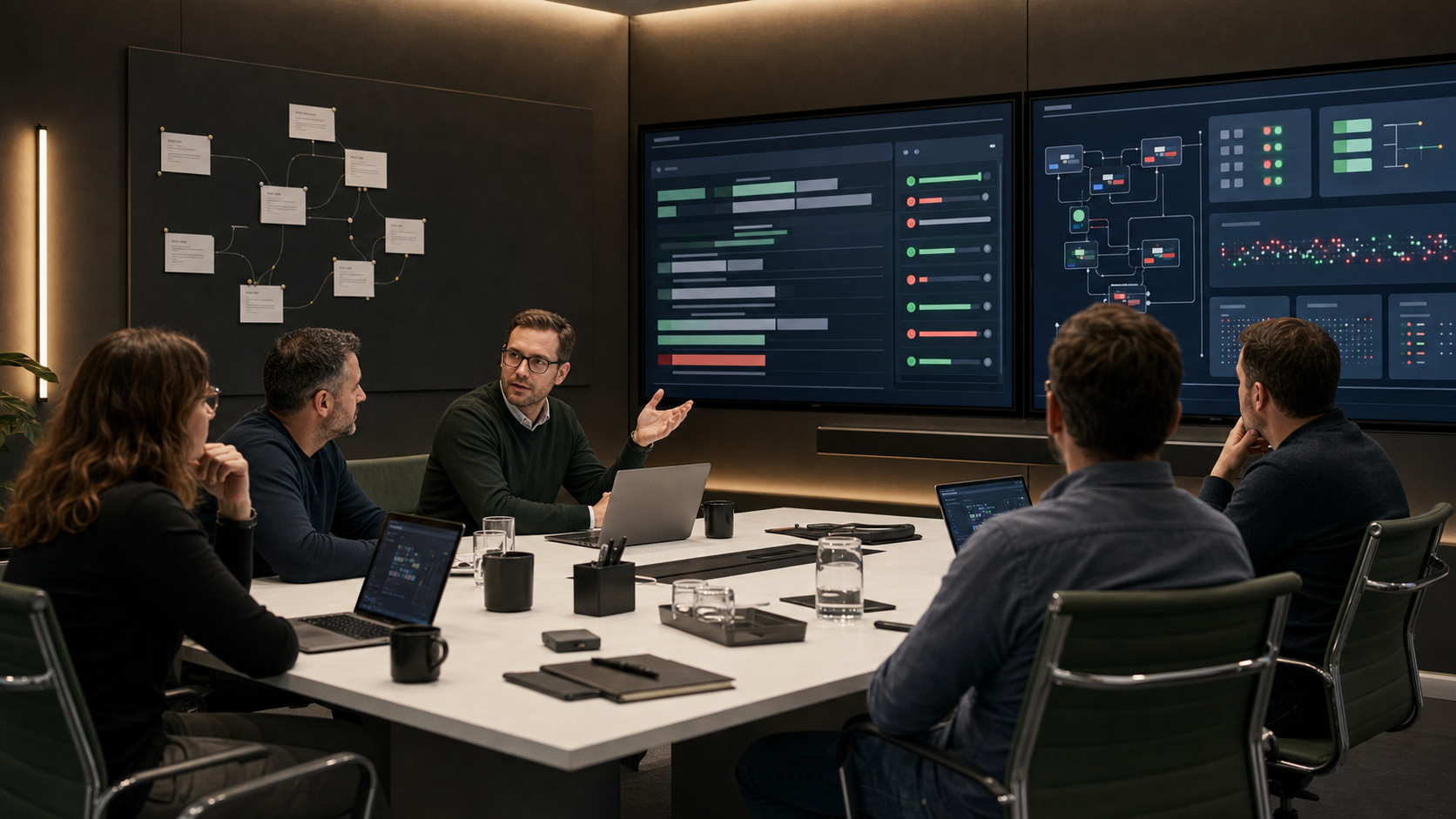
AI coding agents can make demos look effortless. The harder question for serious teams is whether the workflow can survive ownership, review, security, operations, and product change.

AI coding agents do not remove the need for senior engineering judgement. They move it into scoping, orchestration, review, architecture, and product control.
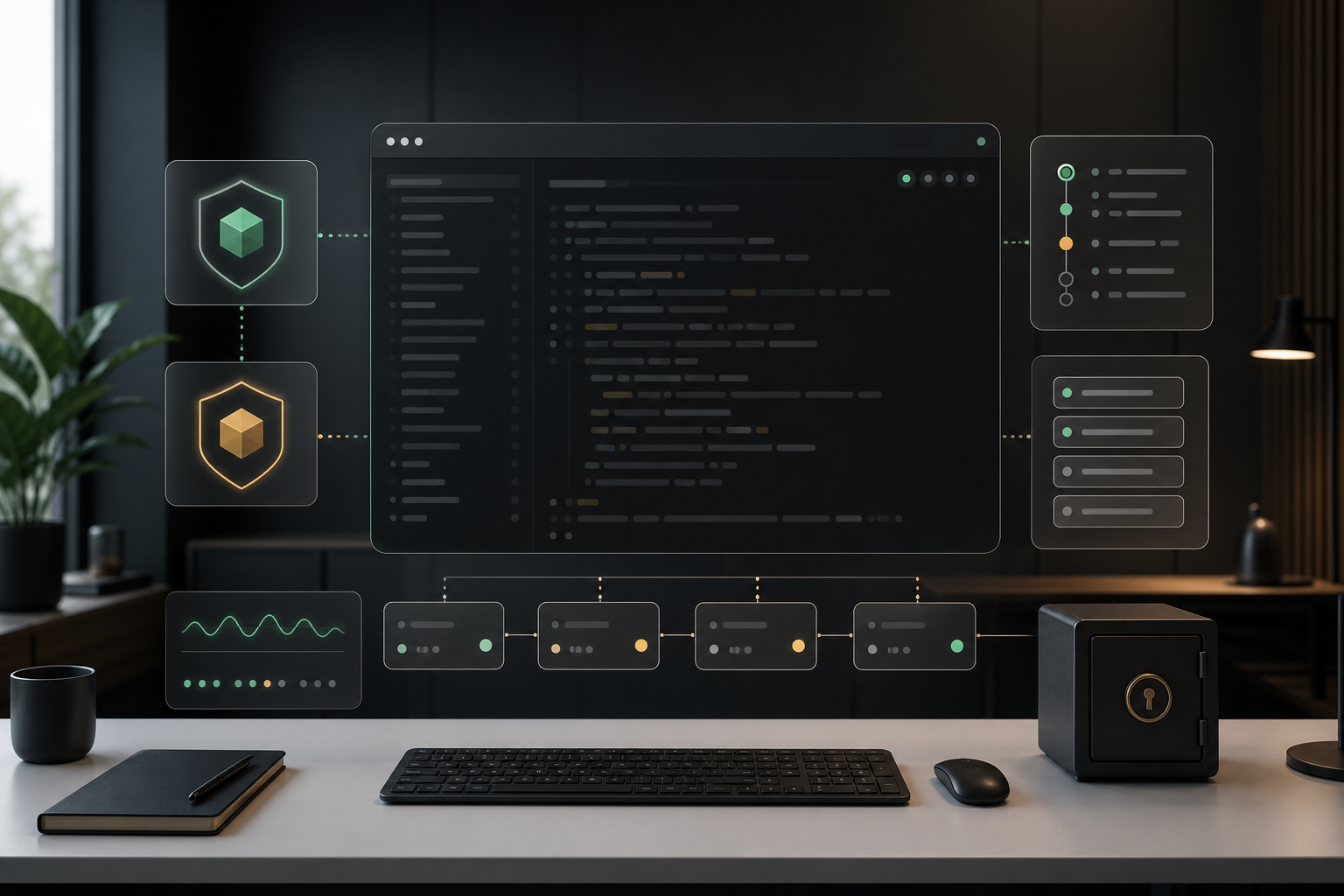
AI coding agents are becoming powerful enough to touch real delivery workflows. The useful question is no longer only which tool to choose, but what architecture governs it.
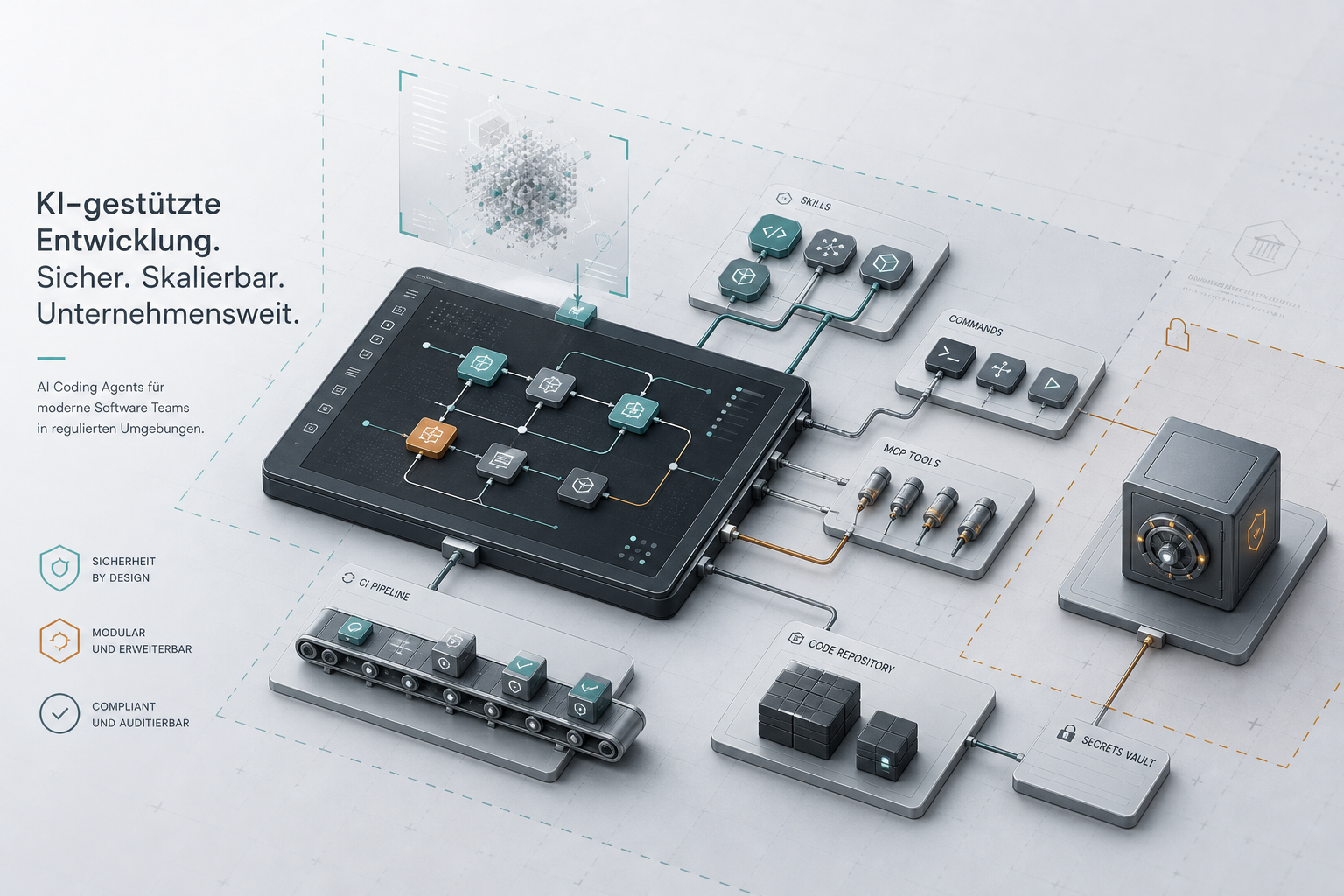
AI coding agents are getting reusable skills, commands and tool integrations. For serious products, those capabilities need the same discipline as dependencies, CI scripts and production access.
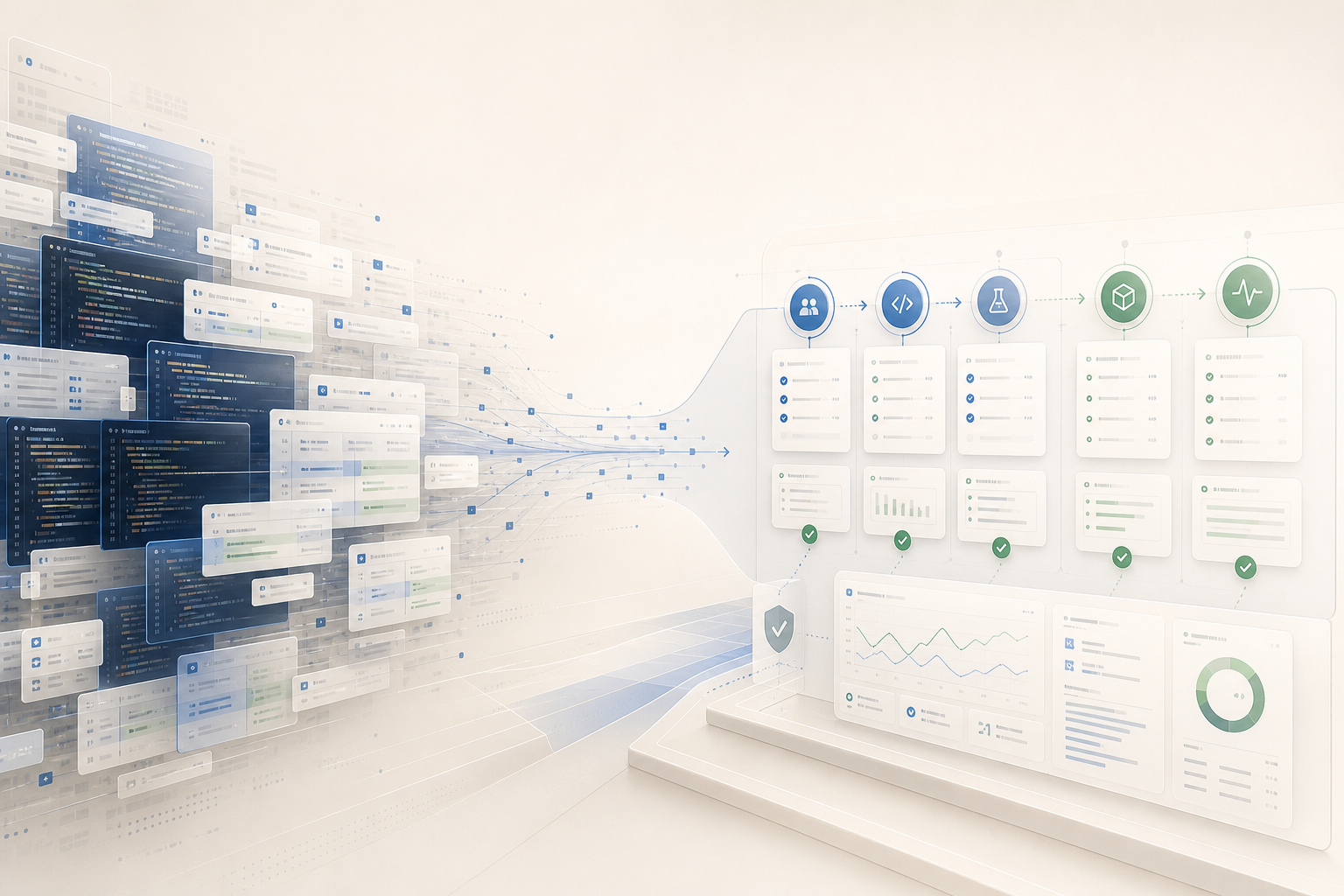
AI coding agents can increase code volume quickly. Serious teams should measure review, integration, reliability, maintainability, and shipped product value instead.
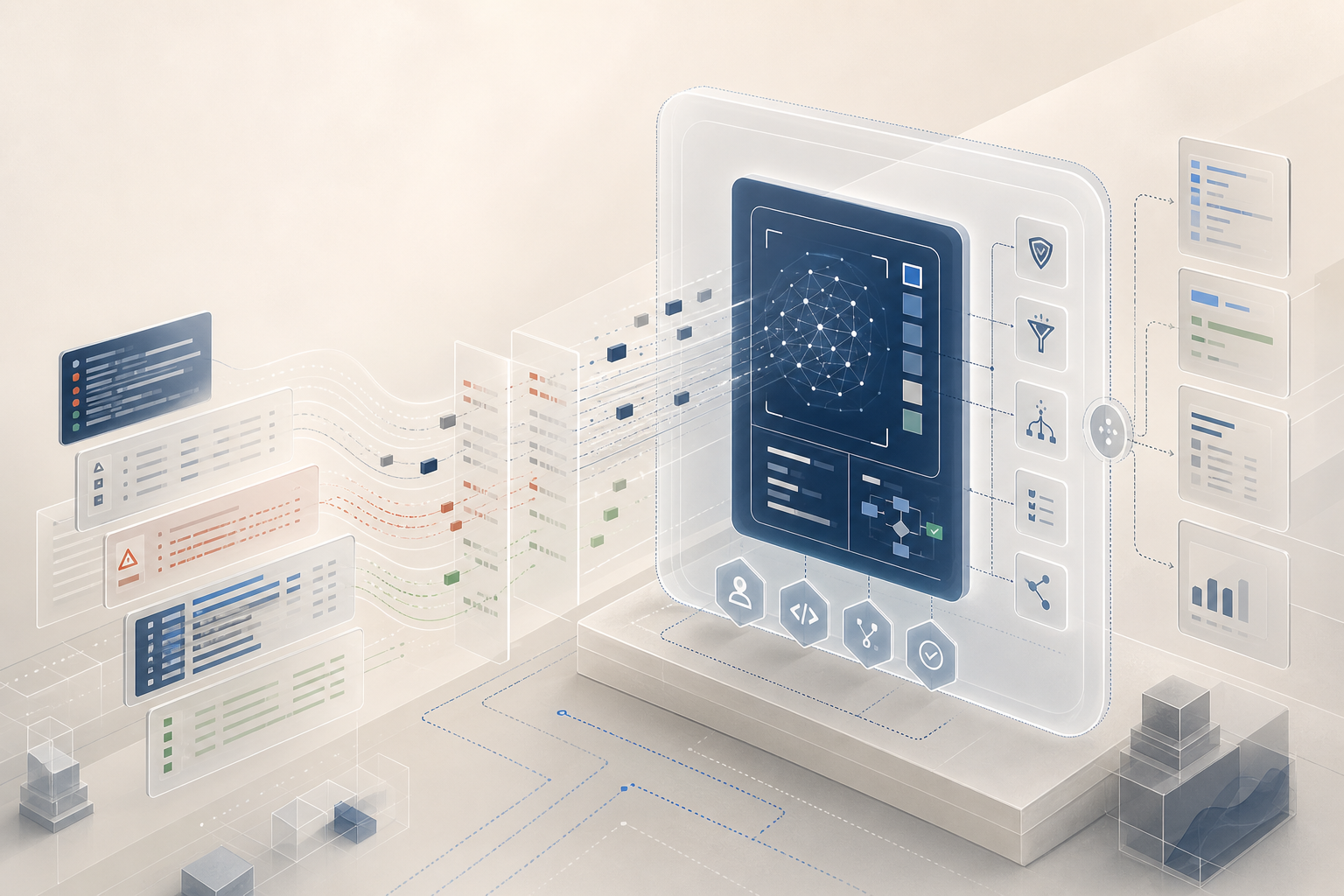
Agentjacking is a timely reminder that AI coding agents must treat logs, monitoring data, tickets, and MCP tool output as untrusted input, not authority.
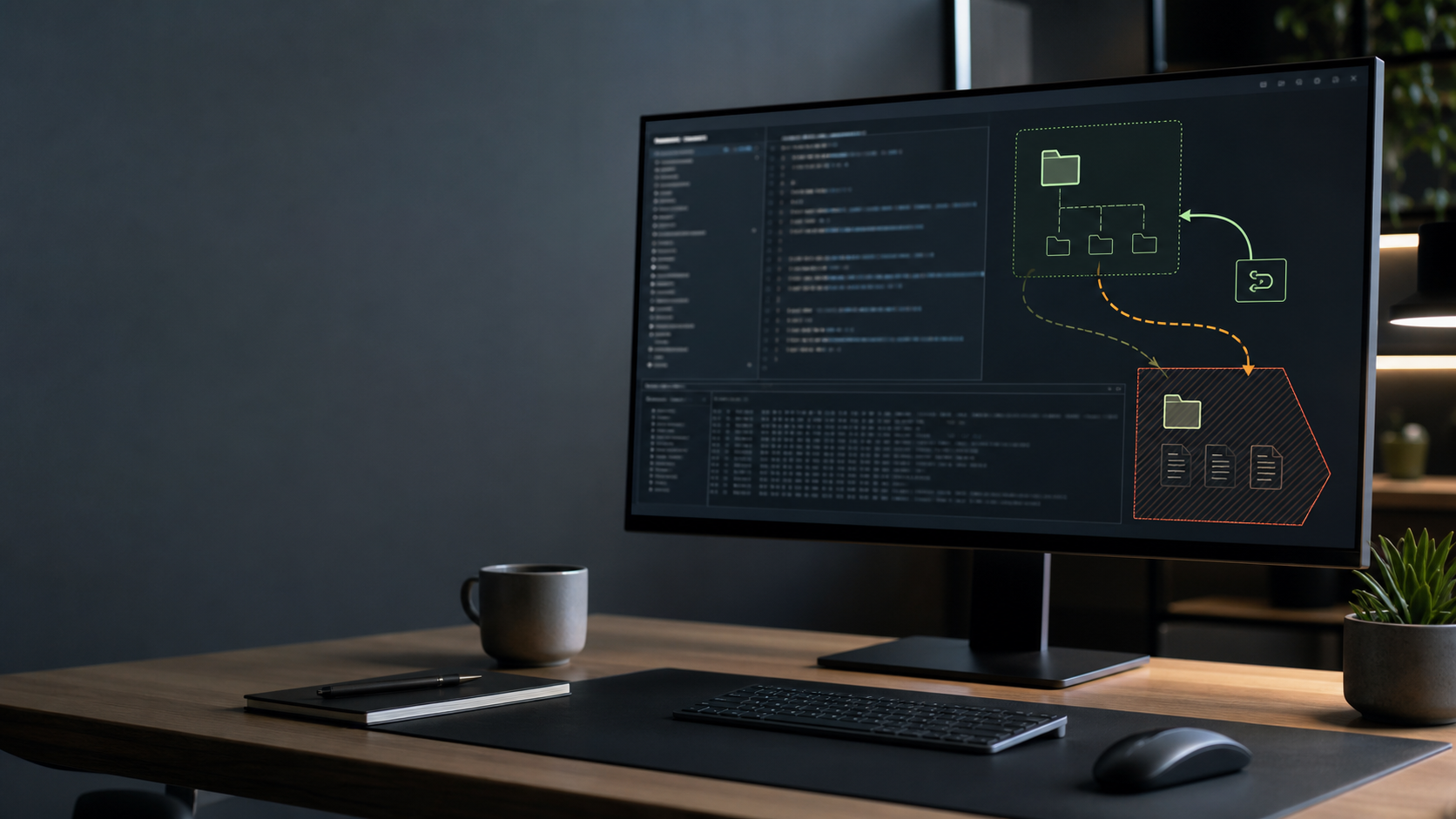
SymJack is a useful warning for teams adopting AI coding agents: permission prompts only matter when path boundaries, repository trust, and agent configuration are designed properly.