
Design-to-code does not replace product judgement
AI tools like Lovable, Bolt, v0 and Replit make prototypes faster. For serious products, that increases the need for product judgement rather than reducing it.
K
Kyluke McDougallAI tools like Lovable, Bolt, v0 and Replit make prototypes faster. For serious products, that increases the need for product judgement rather than reducing it.

AI coding tools speed up development. They also speed up the moment when compromised dependencies, scripts and credentials become production risk.

The EU AI Act makes visible what strong software teams already need: inventories, boundaries, logs, review paths and clear responsibility for AI agents in real products and internal workflows.

AI coding agents are becoming part of the delivery workflow. The teams that benefit most will not be the ones that trust them blindly, but the ones that put policy, review and operational controls around them.
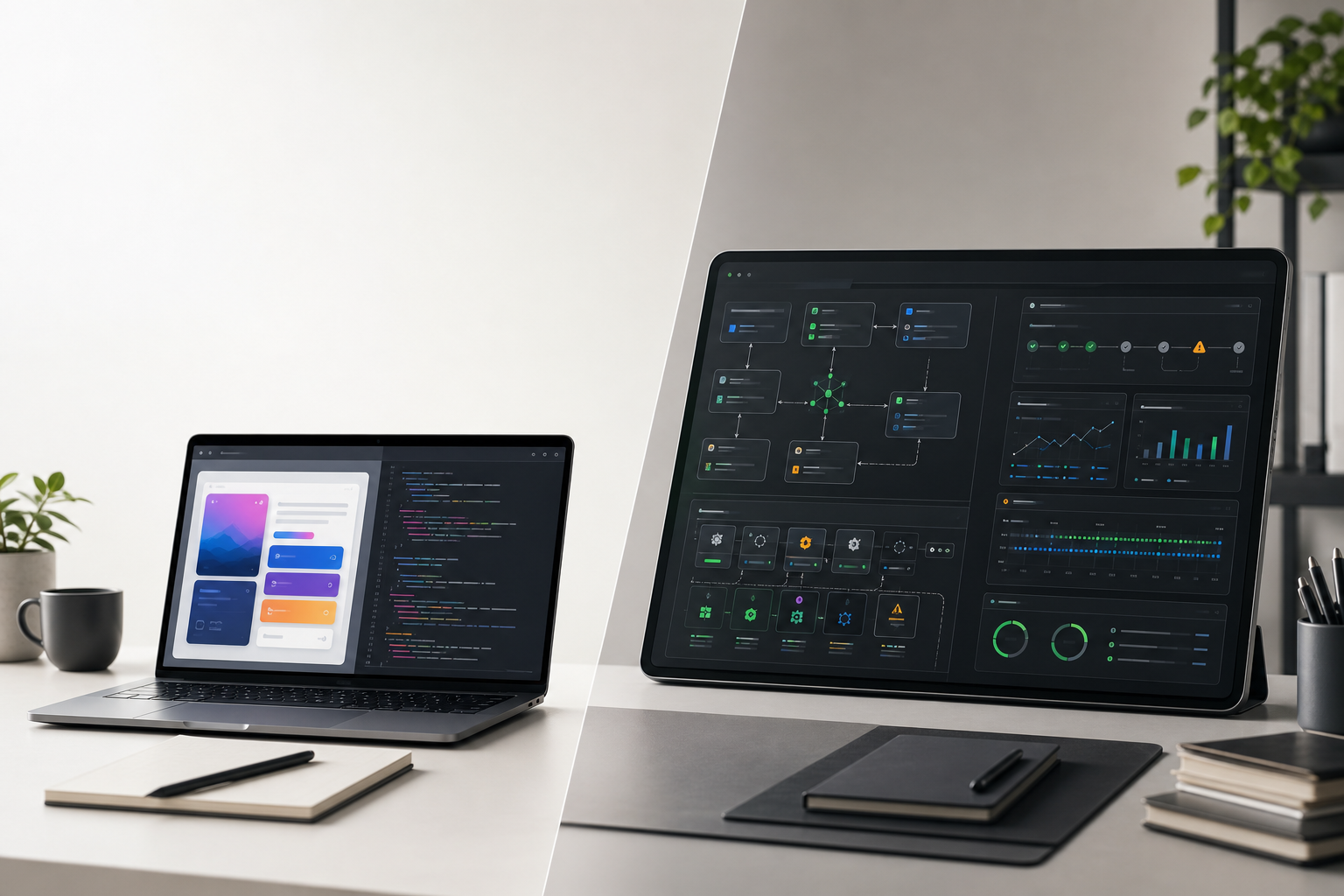
AI tools can get a prototype running quickly. The serious work starts when customers, data, operations and future changes depend on it.

Pwn2Own Berlin is testing Codex, Claude Code and Cursor. For teams adopting coding agents, the lesson is clear: treat the agent runtime as privileged software, not just a smarter editor.
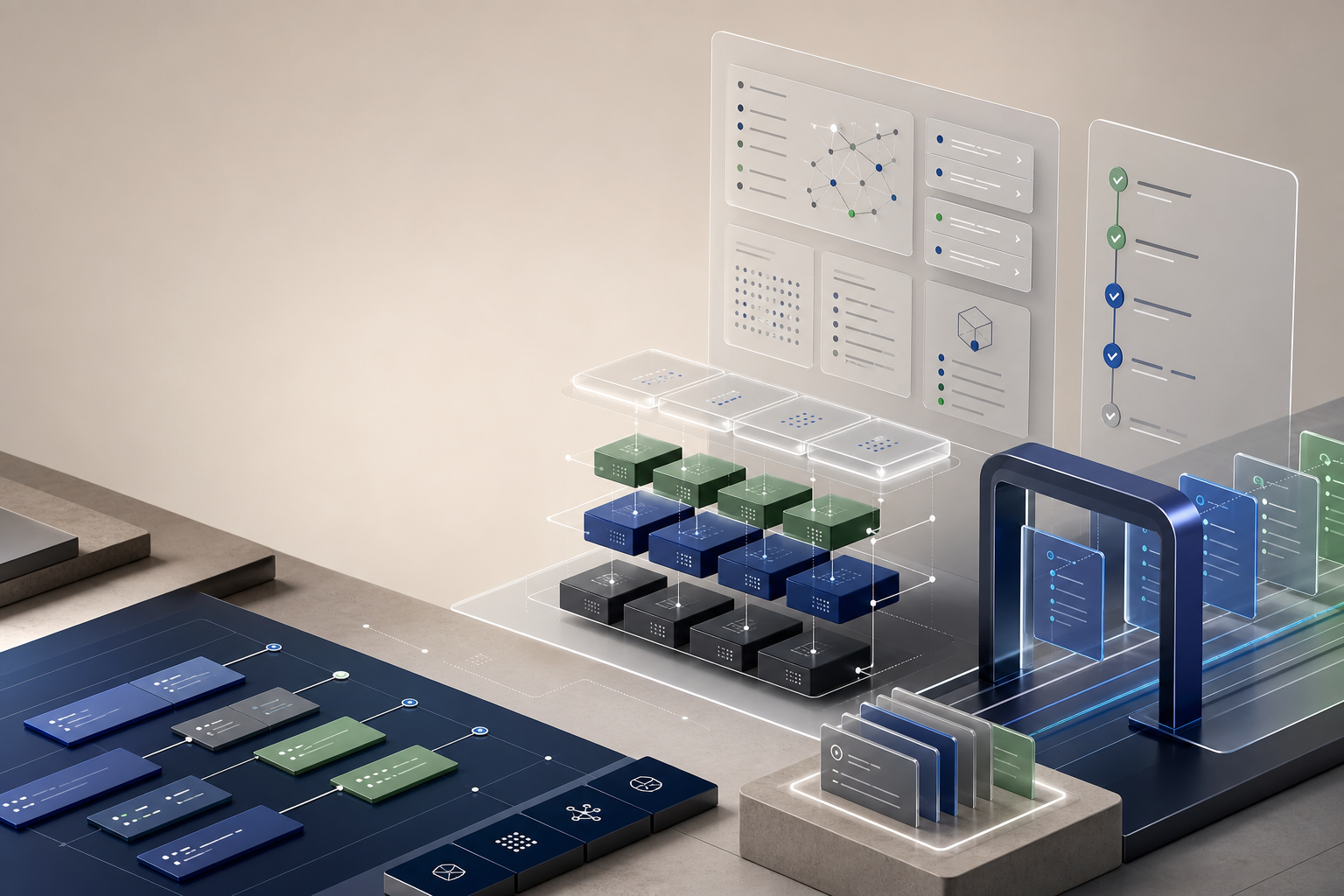
The current AI Act discussion on X is a reminder that companies should not treat AI compliance as a late legal cleanup. It starts with product architecture, data flows and responsibility boundaries.

AI app builders make internal tools and prototypes visible very quickly. The real risk appears when nobody knows which apps exist, which data they touch and who owns them.

AI can help find security bugs faster. The business value comes from harnesses, reproducible tests, triage and release processes around the model.