AI Coding Agents Did Not Remove the Bottleneck. They Moved It.
Coding agents can create more implementation throughput. The serious question for product teams is whether planning, review, integration, and architecture can keep up.
Claude Code, Cursor, MCP tools, and similar agents are becoming more powerful. For serious product teams, the key question is no longer speed. It is control.
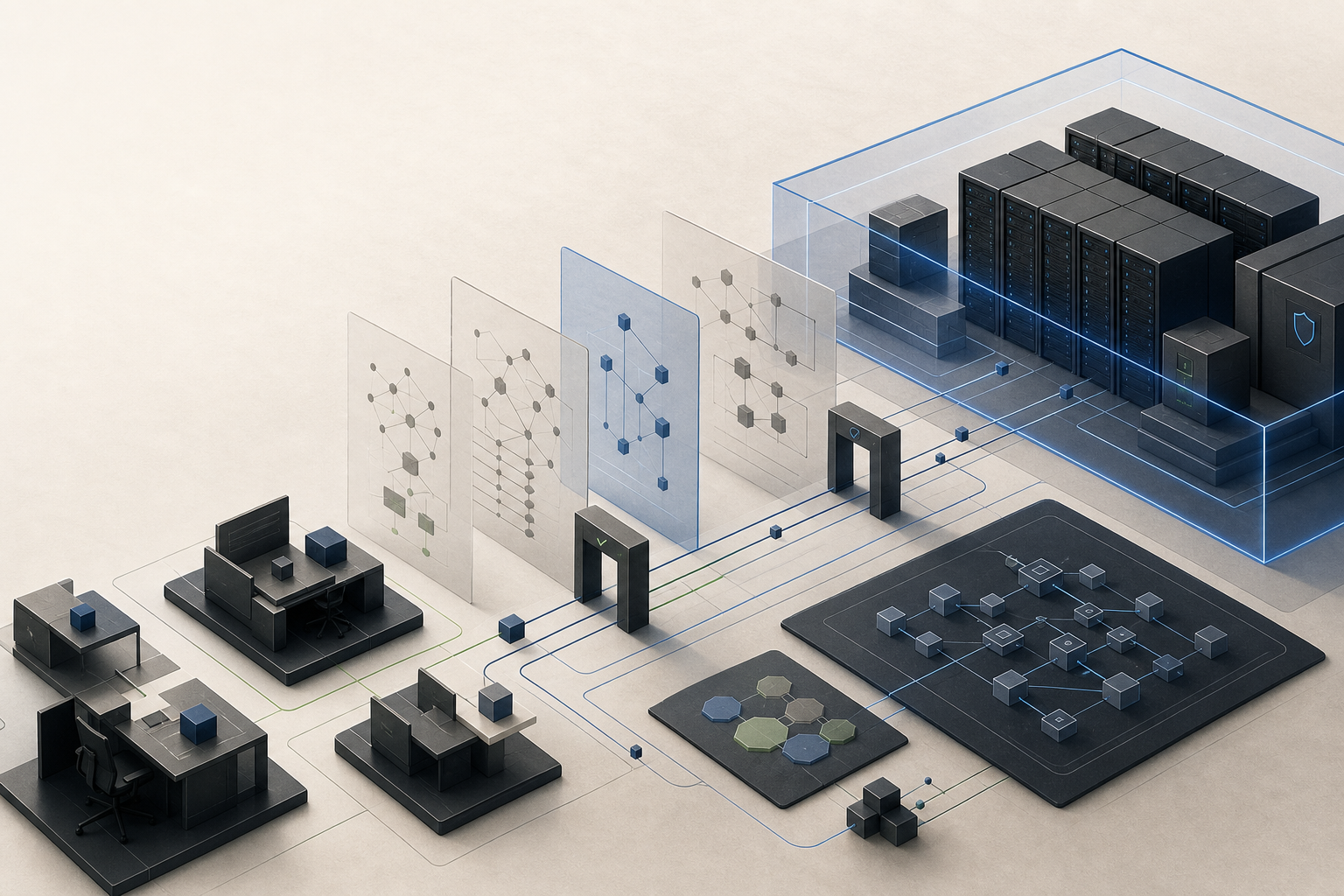
Hybrid and on-prem AI coding agents may unlock adoption in regulated companies. They still need architecture, boundaries, review and operational design.
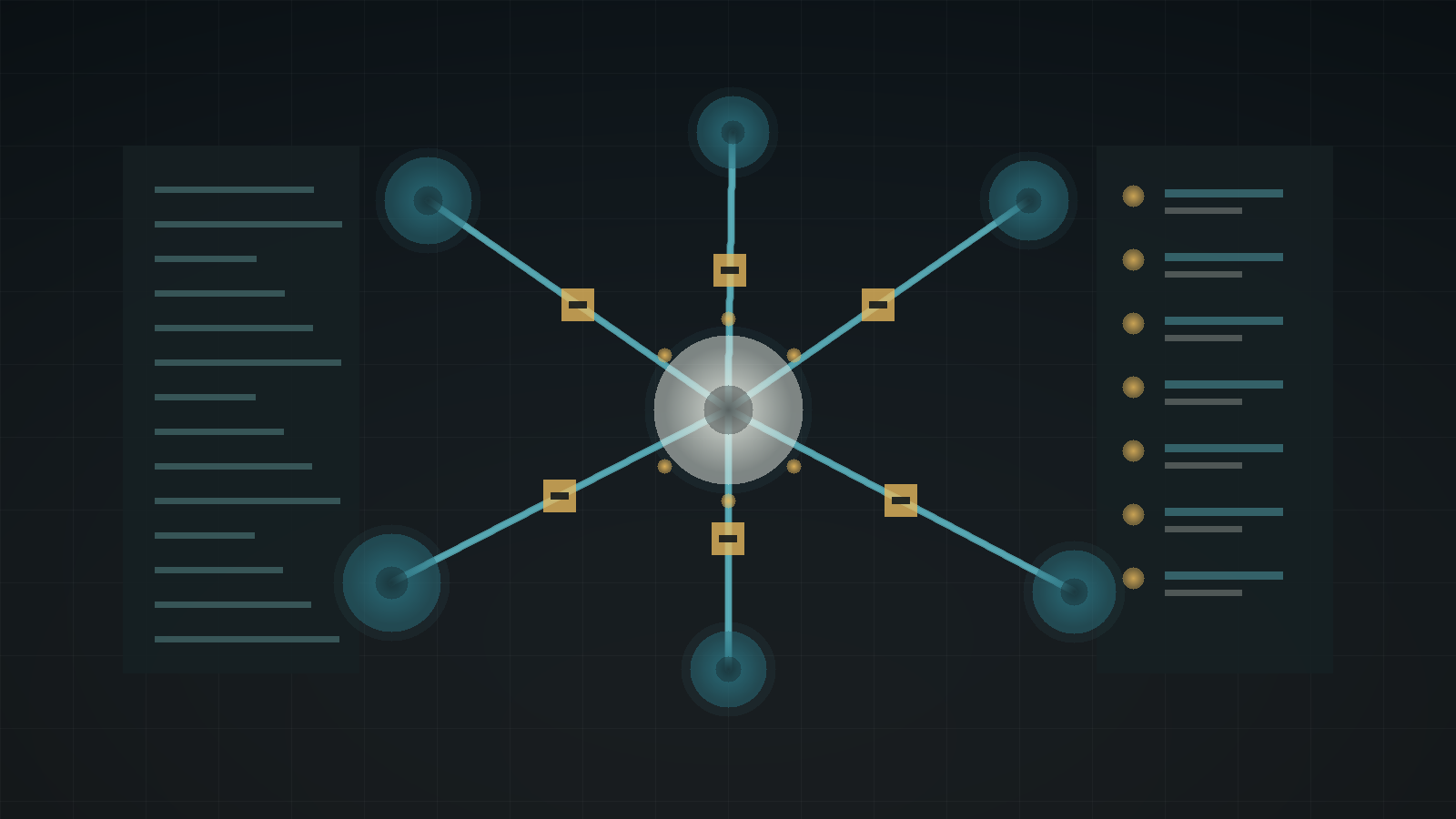
MCP makes AI coding agents more useful by connecting them to tools, data and workflows. It also means teams need production-style security boundaries around those connections.
AI coding agents can accelerate schema work, migrations and backend changes. They should not be allowed near production data without clear operating rules.
AI coding agents become strategically interesting when they touch CI, pull requests, reviews and deployments. That is exactly when teams need clear operating rules.
AI tools like Lovable, Bolt, v0 and Replit make prototypes faster. For serious products, that increases the need for product judgement rather than reducing it.
AI coding tools speed up development. They also speed up the moment when compromised dependencies, scripts and credentials become production risk.
The EU AI Act makes visible what strong software teams already need: inventories, boundaries, logs, review paths and clear responsibility for AI agents in real products and internal workflows.