AI Agent Skills Are Software Supply Chain Now
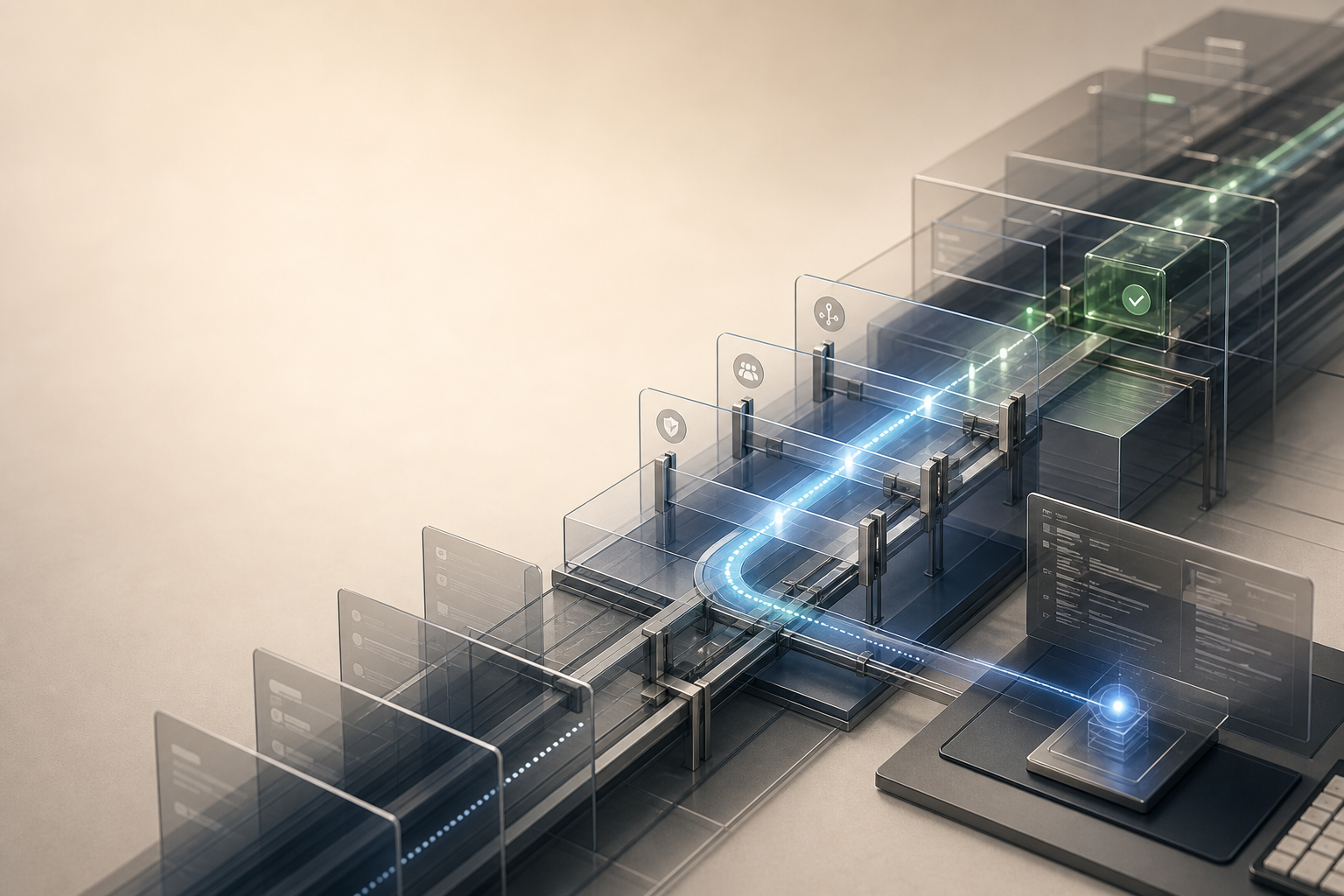
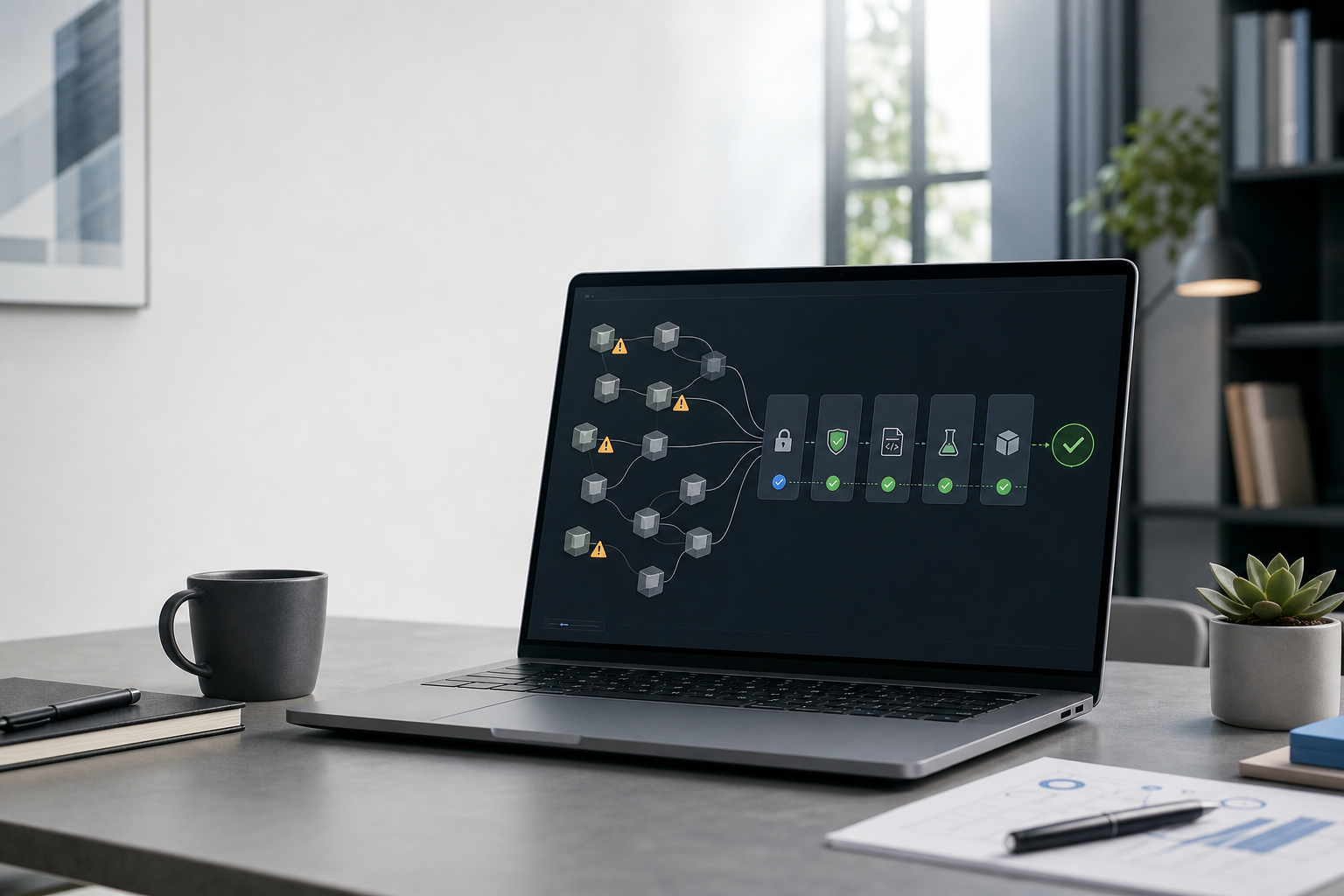
AI coding agents are getting reusable skills, commands and tool integrations. For serious products, those capabilities need the same discipline as dependencies, CI scripts and production access.
Thoughts on software, business, and building things that matter
AI coding agents are getting reusable skills, commands and tool integrations. For serious products, those capabilities need the same discipline as dependencies, CI scripts and production access.
AI coding agents can increase code volume quickly. Serious teams should measure review, integration, reliability, maintainability, and shipped product value instead.
Agentjacking is a timely reminder that AI coding agents must treat logs, monitoring data, tickets, and MCP tool output as untrusted input, not authority.
SymJack is a useful warning for teams adopting AI coding agents: permission prompts only matter when path boundaries, repository trust, and agent configuration are designed properly.
AI builders such as Replit Agent, Lovable, Devin, Cursor, and Claude Code can create convincing software quickly. The hard decision is when a prototype is ready to become a serious product.
AI agents in GitHub Actions and delivery pipelines need clear boundaries. Teams should avoid combining untrusted input, secrets, and external communication in one workflow.
AI coding agents can speed up delivery, but only if teams can see what they cost, where they help, and where they quietly create rework.
AI-assisted development becomes safer when architectural decisions, constraints, and review rules live inside the codebase.
AI coding agents can help serious teams move faster, but only when the existing system is legible enough for them to work safely. For many products, the first AI productivity project is making the codebase understandable.