
AI Agent Memory Is Now Part of Your Security Architecture
Persistent AI memory can make assistants more useful, but it also creates a new attack surface. Companies need clear rules for what agents remember, retrieve and trust.
K
Kyluke McDougall Persistent AI memory can make assistants more useful, but it also creates a new attack surface. Companies need clear rules for what agents remember, retrieve and trust.
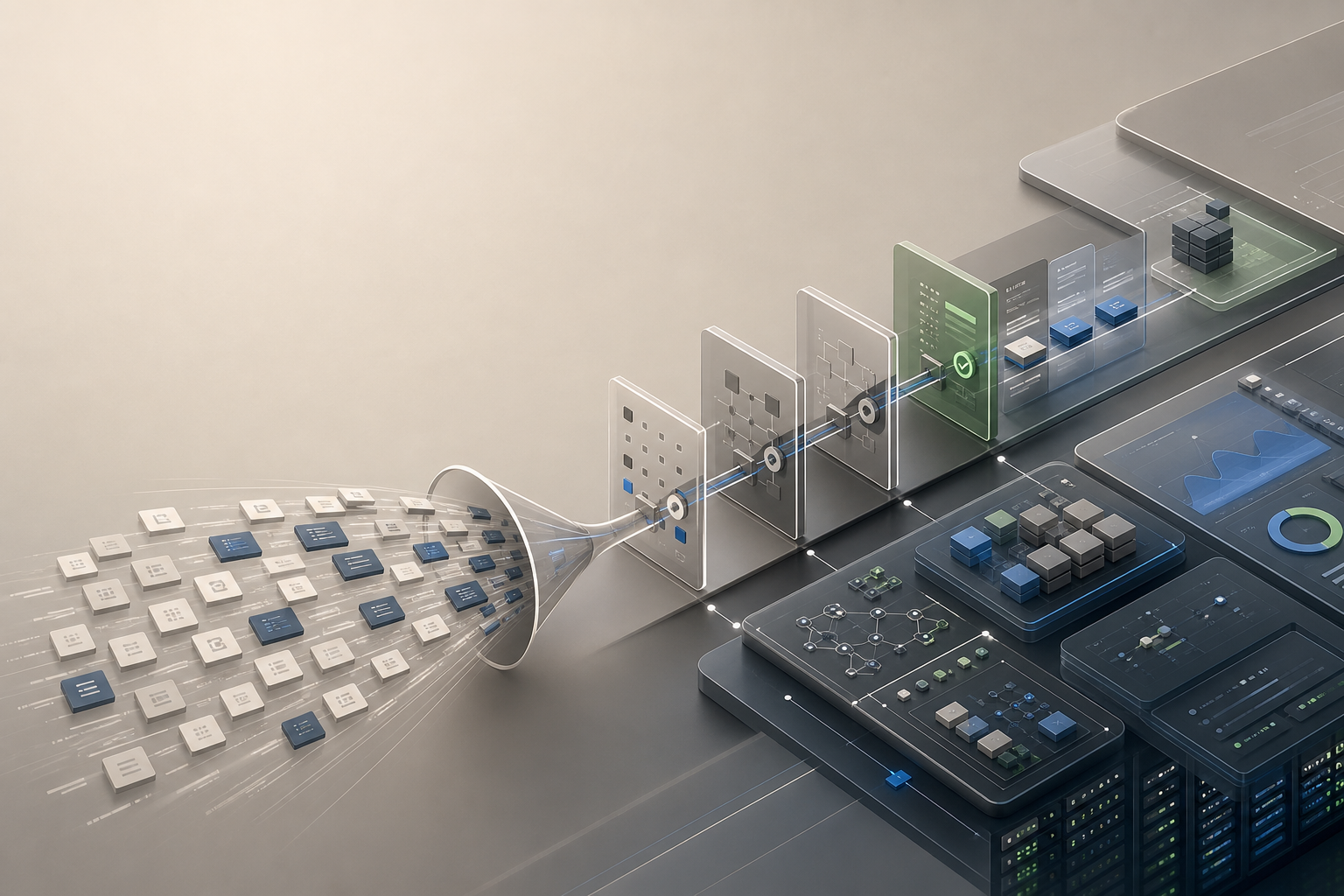
Claude Code limit increases and production-agent adoption are a useful signal. The next bottleneck for serious teams is not generation speed, but product judgement, architecture, review and operations.
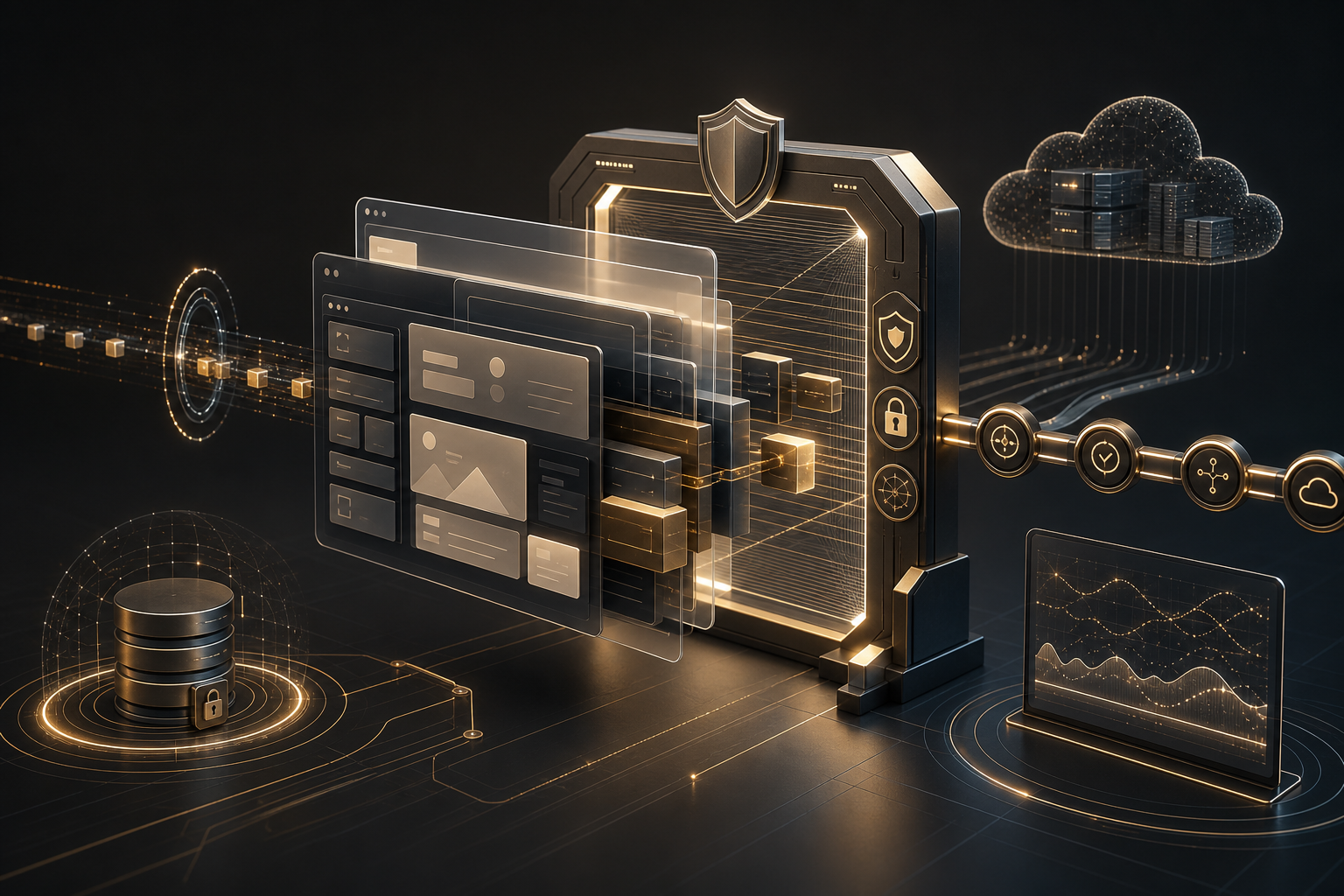
Tools like Lovable, Replit and similar platforms make web apps visible quickly. Before customer data, real users or internal workflows are involved, teams need a clear production and security handover.

Once AI agents can use tools, APIs and internal systems, authentication is not enough. Companies need clear execution rights, approvals and auditability.

AI agents can accelerate software delivery. In production workflows, they also need scoped permissions, reviews, tests, logs, and operating rules.
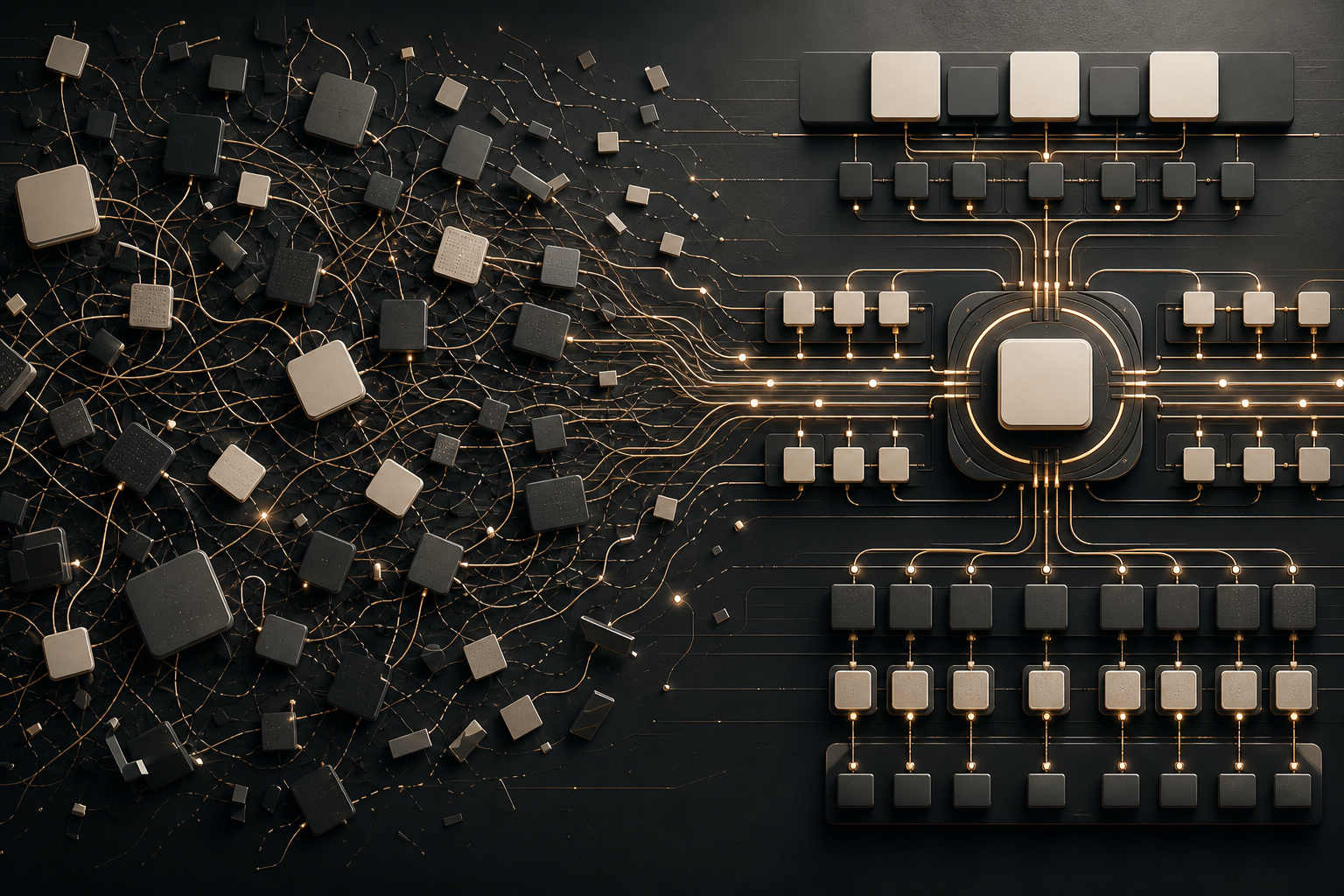
SaaS sprawl, shadow IT and API chaos are not just IT housekeeping. They shape security, operations, data quality and the speed of the business.
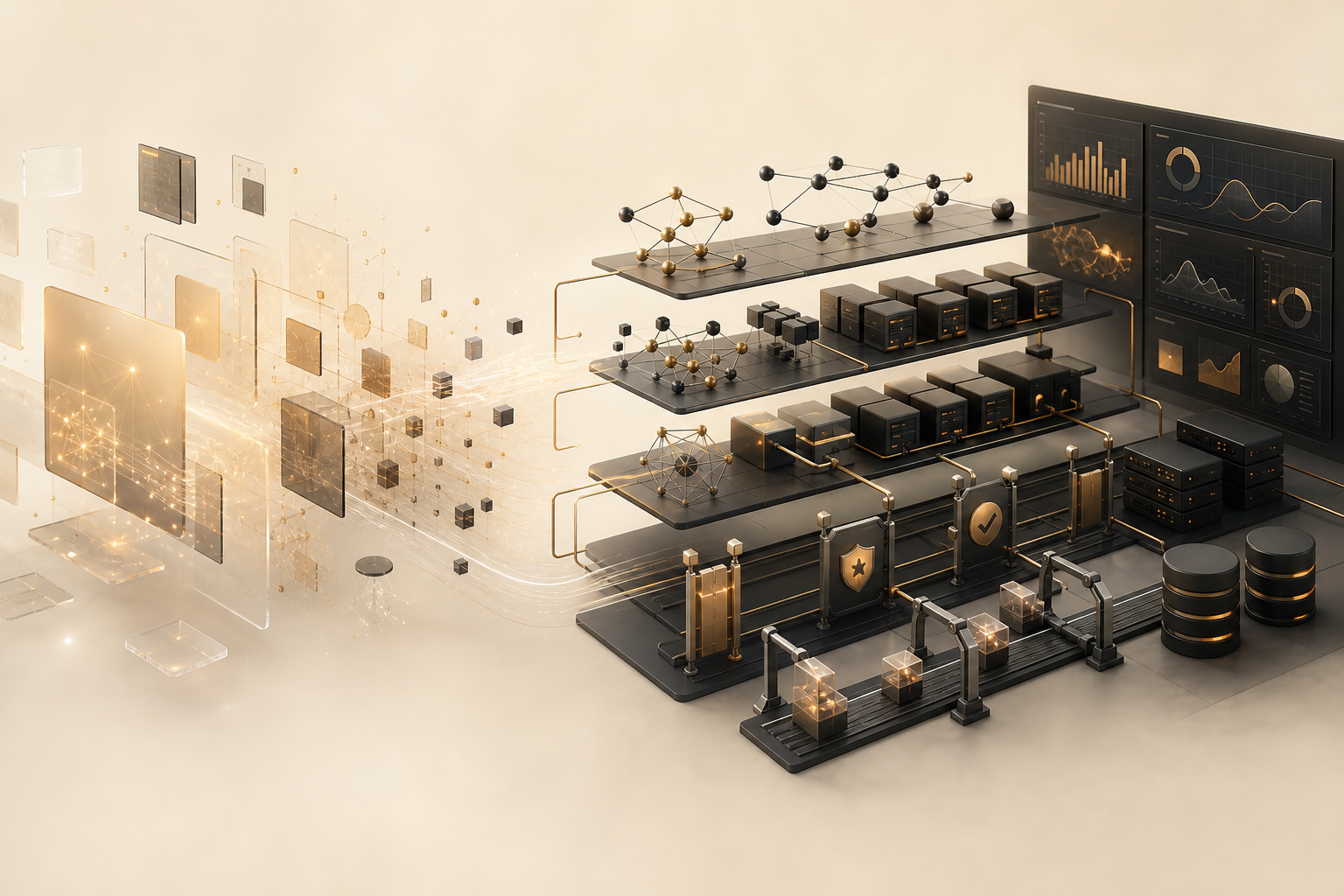
AI tools make ideas visible faster. The path from demo to production software still needs architecture, operations, and responsibility.
AI-assisted development scales reliably only when system boundaries, data models, and operating rules are clear first.

Claude Design can turn prompts, files, and brand systems into prototypes, decks, and visual assets. The value is real — but teams still need clear intent, design discipline, and human ownership.